


Small nucleic acid drugs (siRNA, ASO, saRNA, and others) are expanding from rare diseases into lipid lowering, metabolic disease, hepatitis B, neurodegenerative disease, and muscle disorders. Their core R&D challenge is whether animal models can faithfully reflect human sequences, regulatory elements, and delivery routes. Gene-edited mice — particularly target-humanized, point-mutation-humanized, and exon-humanized models — are becoming key tools for preclinical validation of oligonucleotide therapeutics.
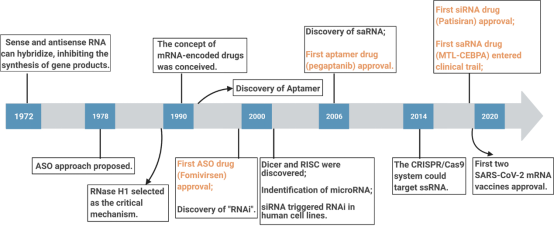
What are small nucleic acid drugs?
Small nucleic acid drugs (Small Nucleic Acid Drugs) are a class of therapeutics based on short nucleotide sequences that regulate gene expression at the post-transcriptional level through complementary base pairing. Unlike conventional small molecules or antibody drugs, they do not act on proteins but directly target RNA, thereby regulating the synthesis of disease-related proteins “at the source.”
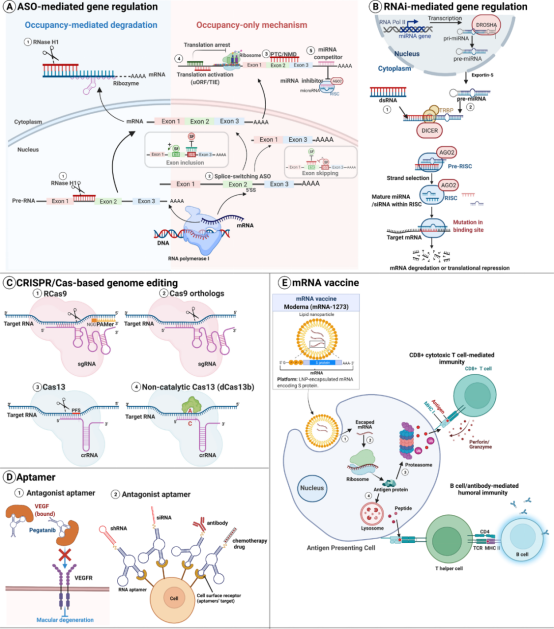
Why oligonucleotide therapeutics need humanized mice
Oligonucleotide drugs rely on precise complementary pairing with the target mRNA. Human and mouse genes differ in the CDS, 5′/3′ UTR, SNPs, and regulatory elements, so wild-type mice may present the following problems:
- The drug cannot recognize the mouse sequence, resulting in low silencing efficiency;
- Delivery systems such as GalNAc-ASGPR show species-dependent affinity differences;
- It is difficult to distinguish mutant alleles from wild-type alleles;
- Off-target effects, immunogenicity, and long-term toxicity cannot be accurately evaluated.
Replacing the mouse target gene in situ with the human homolog is therefore the critical link connecting “sequence design — in vivo efficacy — IND filing.”
Four main applications of humanized gene-edited mice
1. Target humanization: validating knockdown and efficacy
Replace the mouse gene in situ with the human CDS and UTR to evaluate target binding and protein downregulation by siRNA/ASO.
Common models include:
- hPCSK9 / hPCSK9-UTR: evaluating the effect of lipid-lowering siRNA on LDL-C; [link: hPCSK9 mice]
- hAPOC3: validating knockdown of the hypertriglyceridemia target and reduction in TG;
- hLPA: for evaluation of Lp(a)-targeting siRNA;
- hAGT: for evaluation of antihypertensive siRNA;
- hSMN2: for evaluation of splice correction and survival benefit with ASO in SMA.
These models allow simultaneous readout of mRNA knockdown rate, protein level, and phenotypic endpoints such as lipids and blood pressure.
2. Point-mutation humanization: allele-selective silencing
For dominant-negative mutations or gain-of-function diseases, it is necessary to distinguish mutant from wild-type transcripts.
Representative applications:
- hTTR-V30M: gene silencing and gene-editing evaluation in ATTR amyloidosis;
- SOD1 mutant models: evaluation of mutant allele-selective ASO/RNAi in ALS;
- HTT SNP-humanized models: assessing the ability of allele-selective ASO to knock down mutant protein while preserving wild-type expression.
The value of these models lies in improving “selectivity” — avoiding unintended silencing of normal protein expression.
3. Exon-humanized models: exon skipping and gene editing
Therapeutics for DMD and similar diseases must act on human DMD exon sequences; conventional mdx mice cannot accurately reflect the clinical target.
Humanized DMD mice can support: [link: DMD mice with GeneAisst]
- Evaluation of ASO exon-skipping efficiency;
- CRISPR/Cas9 cleavage efficiency and off-target analysis;
- Base editing and prime editing to restore the reading frame;
- Evaluation of dystrophin restoration, muscle strength, and cardiac function.
These models typically assess CK, muscle fiber pathology, fibrosis, and motor function in parallel.
4. Delivery systems and multi-target combination evaluation
Beyond the target itself, humanized mice are also used to validate delivery efficiency:
- Liver-targeted GalNAc-siRNA;
- LNP delivery of Cas9 mRNA/sgRNA;
- Transferrin receptor-mediated muscle delivery;
- Synergistic evaluation of dual- or multi-target siRNA, such as PCSK9+LPA and PCSK9+APOC3.
These models can simultaneously provide efficacy, tissue distribution, off-target sequencing, and hepatotoxicity data.
What humanized models can solve in R&D
| R&D stage | Data provided by humanized mice |
|---|---|
| Target validation | Human sequence recognition, target engagement |
| Efficacy evaluation | mRNA/protein knockdown; lipids, muscle strength, survival and other phenotypes |
| Delivery evaluation | Tissue distribution and delivery efficiency in liver, muscle, CNS, etc. |
| Selectivity evaluation | Mutant vs. wild-type silencing ratio |
| Safety evaluation | Off-target effects, hepatotoxicity, immunogenicity, CK/ALT/AST |
| IND support | Pharmacology, PK/PD, non-GLP toxicology data |
As competition in oligonucleotide therapeutics shifts from “sequence design” to “clinical translation efficiency,” gene-edited humanized mice covering the CDS, UTR, point mutations, and exon structure have become a core preclinical evaluation tool. By reproducing human target sequences and regulatory elements in situ, these models overcome the species differences of conventional mice. They enable in vivo validation of target binding, knockdown efficacy, selective silencing, and delivery safety — precisely answering three questions: “can it recognize the human target,” “does knockdown produce quantifiable efficacy,” and “are long-term safety and selectivity acceptable” — providing critical translational evidence for IND filing. Looking ahead, high-value models will concentrate in three directions: multi-target humanization, stacked disease phenotypes, and extrahepatic delivery evaluation.
References
- Androsavich JR. Frameworks for transformational breakthroughs in RNA-based medicines. Nature Reviews Drug Discovery, 2024, 23:421–444.
- Miao Y, Fu C, Yu Z, et al. Current status and trends in small nucleic acid drug development: Leading the future. Acta Pharmaceutica Sinica B, 2024, 14(9):3802–3817.
- Roberts TC, Langer R, Wood MJA. Advances in oligonucleotide drug delivery. Nature Reviews Drug Discovery, 2020, 19:673–694.
- Crooke ST, Baker BF, Crooke RM, Liang XH. Antisense technology: an overview and prospectus. Nature Reviews Drug Discovery, 2021, 20(6):427–453.