


The Next Generation of Mouse Model Preparation Platform
- 4-Week Delivery: World’s fastest custom mouse model development.
- TurboMice™ Tech: Proprietary high-efficiency gene-editing platform.
- Full Capabilities: Expert conditional knockouts, knock-ins, and humanized models.
- Validated Quality: Guaranteed high precision and model viability.
Why Choose VeloGene Biotechnology?
TurboMice™ Technology Detail Page
Meet the Future of Mouse Model Creation
TurboMice™: The World’s First Industrially Applied Platform for Rapid Mouse Model Generation
Revolutionize your research pipeline with VeloGene Biotech’s proprietary TurboMice™ technology. We have overcome the traditional bottlenecks of mouse model development—such as tedious from mice to mice 6–12 month breeding cycles and low-yield chimeric techniques—by pioneering an optimized tetraploid complementation workflow: from cell to mice. Our platform enables the precision gene editing of embryonic stem cells (ESCs) to deliver fully homozygous, experiment-ready F0 mice in just 45 days. We are able to provide Knock Out(KO), Knock In(KI), Conditional Knock Out(cKO), Conditional Knock In(cKI), Humanize, Transgenic and Point-Mutation mouse models. By bypassing F1/F2 generations entirely, we ensure 100% genotype certainty and provide an industrial-grade solution for complex multi-locus modifications, targeted knockouts, and floxing. Fast-track your drug discovery and functional genomic studies today with our high-efficiency, scalable custom mouse model development services.
Learn More About Tetraploid Complementation Technology
The origin of the technology and how it was utilized and became the foundation of TurboMice™ Technology
TurboMice: The Once Technically Impossible
– Engineered to Reality with TurboMice™
The tetraploid complementation assay is a technique in biology in which cells of two mammalian embryos are combined to form a new embryo. It is used to construct genetically modified organisms, to study the consequences of specific mutations on embryonic development, and to study pluripotent stem cells.
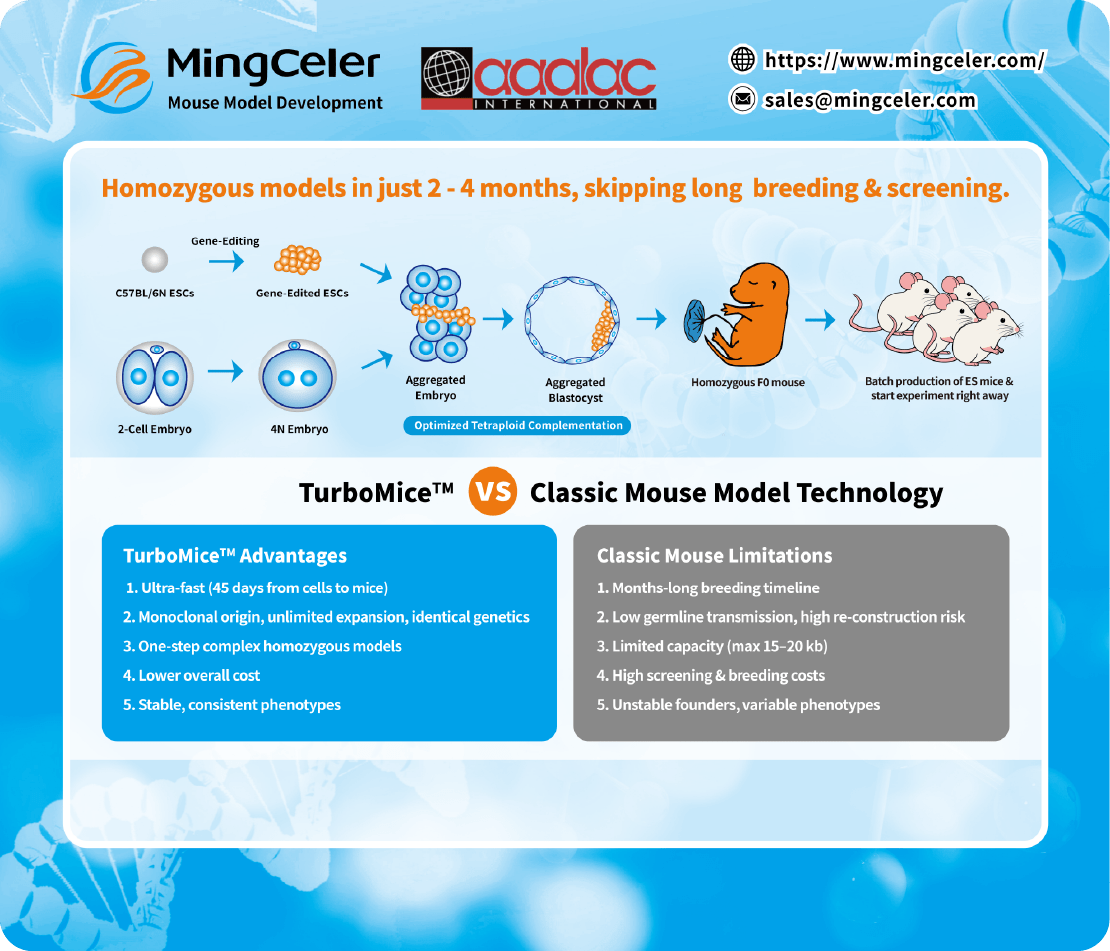
TurboMice™ is our patented Tetraploid Complementation Technology (TCT) for generating aggregated blastocysts (no microinjections, non-chimeric embryos).
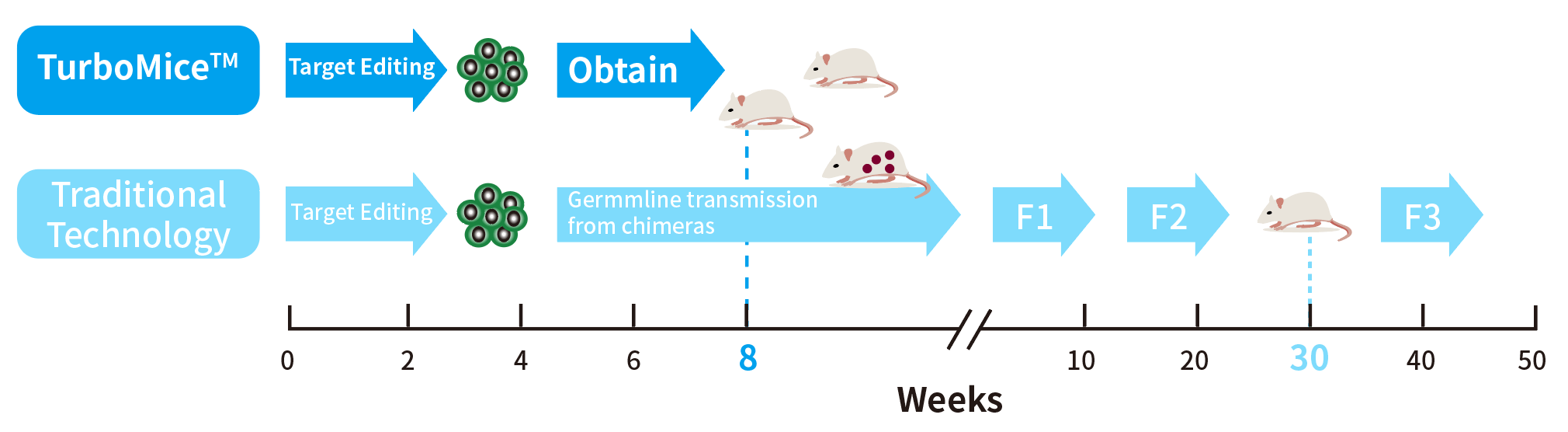
Extremely fast. Homozygousmodels in just 2 – 4 months, skipping long initial breeding. This speeds up research from pilot to full – scale studies.
Are TCT-produced mice viable long-term, and do I need to repeat steps for each batch?
TCT-produced mice are genetically stable and fully fertile, making them ideal for long-term research and breeding programs. In the rare case that the targeted gene impacts fertility, TCT offers a distinct advantage: it enables the generation of unlimited homozygous mice in just 45 days.
The Game-changing Benefits
While competitors only highlight their improvements to traditional approaches—marginal germline efficiency gains, 99.9% chimerism, or incremental ESC-based advantages—our proprietary technology delivers a transformative leap in in animal model technology. We generate fully pure, homogeneous lineages: every single cell of our mice is derived exclusively from totipotent ES cells, with 100% guaranteed germline transmission efficiency. Experience these unparalleled benefits firsthand: enquire about your custom mouse model project with us, or order embryos for in-house validation at your facility.
Why TCT over CRISPR or Traditional microinjection?
CRISPR is inherently hit-or-miss with off-target effects, while any ES cell microinjection yields genetically mosaic, high-chimerism mouse models. Both demand lengthy multi-generational breeding to isolate stable strains. In stark contrast, our proprietary TCT (Tetraploid Complementation Technology) offers a game-changing 100% breeding-free solution—fully homogeneous, non-chimeric models with guaranteed pure genomic edits, no off-target risks.
45-day Workflow for Rapid Homozygous Mouse Model Generation
Step 1: Select from Our In-House Cell Bank
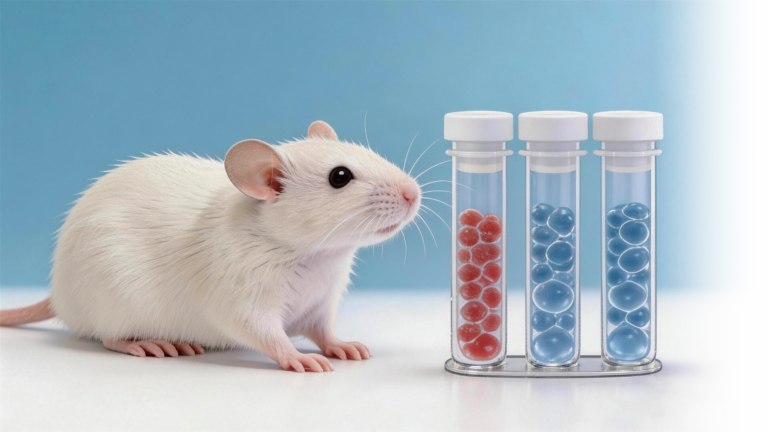

At VeloGene Biotechnology, our cell banks are derived from proprietary, fully homozygous mouse strains developed in-house. These genetically stable strains are rigorously validated for superior reproductive efficiency. This robust foundation empowers our rapid mouse model generation platform, allowing us to perform precise secondary genetic engineering. We specialize in creating highly complex, custom mouse models tailored to the evolving needs of advanced biomedical research and drug discovery pipelines.
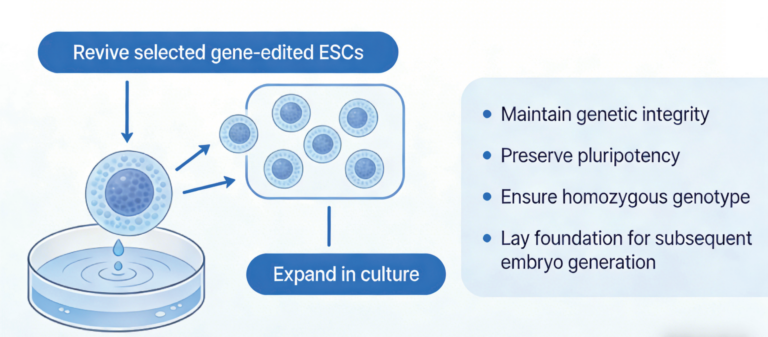
Step 2: Revive and Culture Mouse Stem Cells
We perform precise revival and expansion of gene-edited embryonic stem cells (ESCs) in highly optimized culture conditions. This critical step guarantees that every cell line maintains its genetic integrity, pluripotency, and homozygous genotype, ensuring high-quality results. By establishing this robust biological foundation, we enable the consistent, high-yield generation of complex mouse models required for advanced scientific studies.
Step 3: Embryo Fusion and In Vitro Development Using our proprietary tetraploid
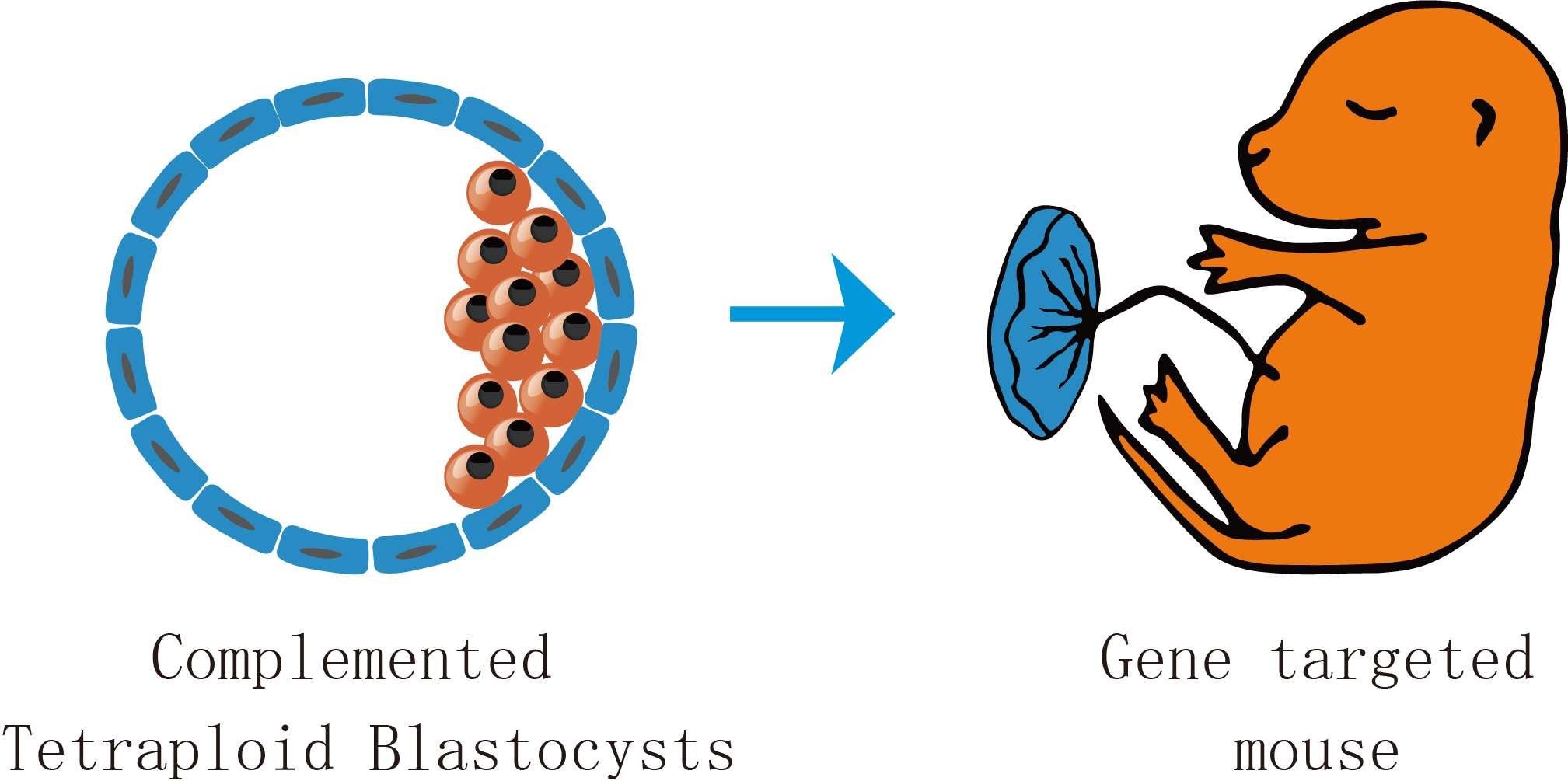
Our workflow leverages proprietary tetraploid complementation technology to ensure unparalleled efficiency in mouse model generation. We initiate the process by performing precise fusion of gene-edited embryonic stem cells (ESCs) with tetraploid blastocysts, a technique that bypasses the limitations of traditional breeding. Following the fusion, the embryos undergo strictly monitored in vitro culture to ensure robust development into healthy, high-quality blastocysts. By maintaining rigorous quality control at every stage—from ESC fusion to blastocyst maturation—we ensure that each embryo is fully optimized for surrogate transfer, ultimately accelerating the delivery of complex, custom genetically engineered mouse models (GEMs) for your research projects.
Step 4: Embryo Implantation and Birth
The developed embryos are carefully implanted into surrogate female mice to ensure optimal viability. After a standard gestation period of 19–21 days, healthy, fully homozygous, and experiment-ready mice are born directly. By eliminating the time-consuming process of traditional breeding, our TurboMice™ technology accelerates your research timeline, delivering viable genetically engineered models in as little as 45 days. This rapid, high-efficiency workflow provides an essential solution for researchers needing immediate access to study-ready mouse models.
Fast and Batch
Accelerate Drug Discovery with Rapid, Large-Scale Homozygous Mouse Model Generation
Efficiently generating large batches of precise, homozygous gene-edited mice is critical to advancing drug discovery pipelines, significantly reducing both the risks and costs associated with preclinical efficacy assessments. Our proprietary TurboMice™ technology empowers pharmaceutical partners to secure 3–20 homozygous mice for pilot studies within just 2–4 months. This highly flexible platform allows for rapid strategy pivots based on validation results, enabling seamless model iteration and upgrades within the same 2–4 month timeframe. By utilizing this multi-faceted, customized mouse model development approach, our partners can drastically shorten research timelines, mitigate potential R&D risks, and secure a significant competitive advantage in drug development.
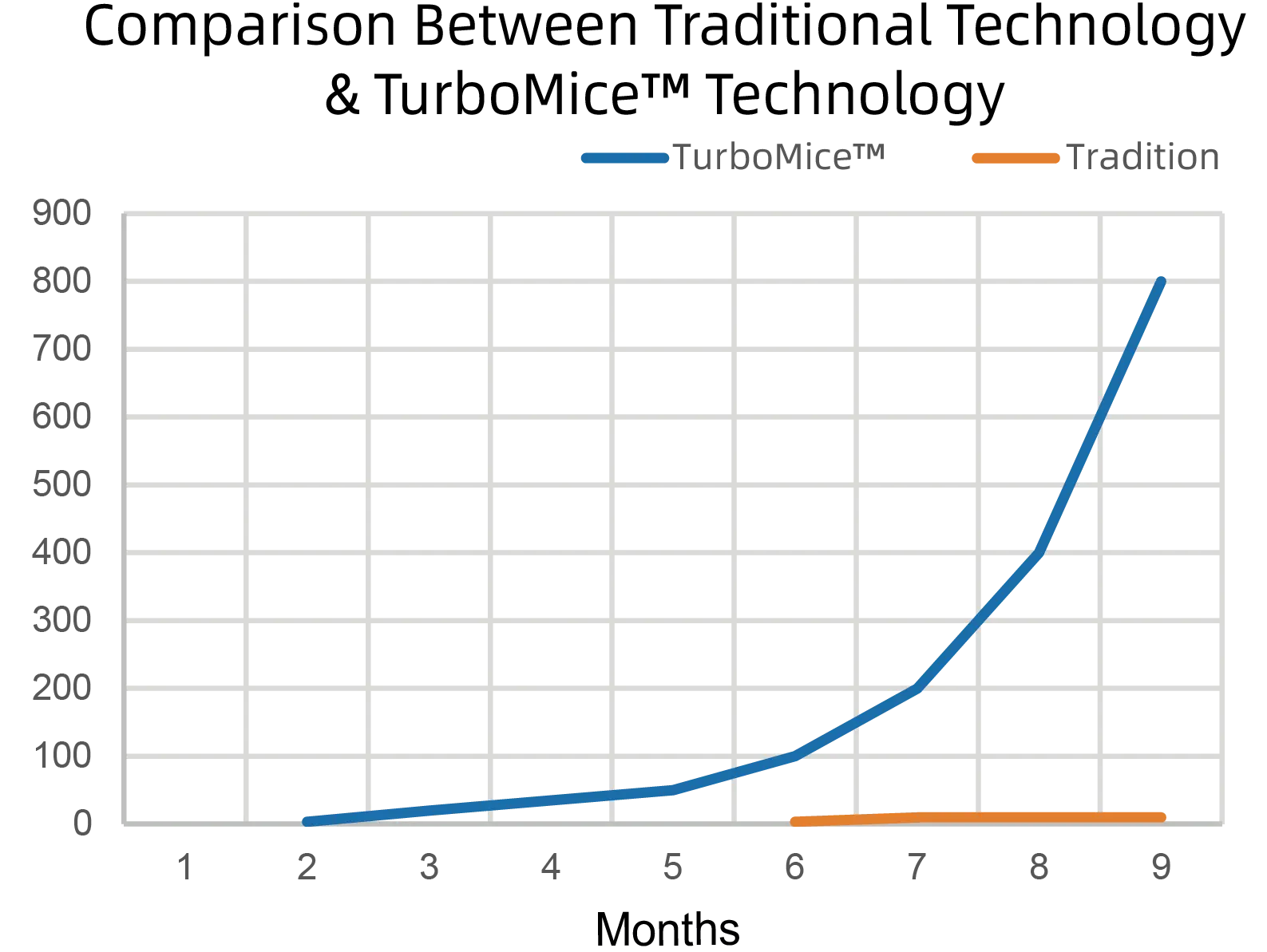
Proven Success: Rapid Generation & Iteration of Humanized Models
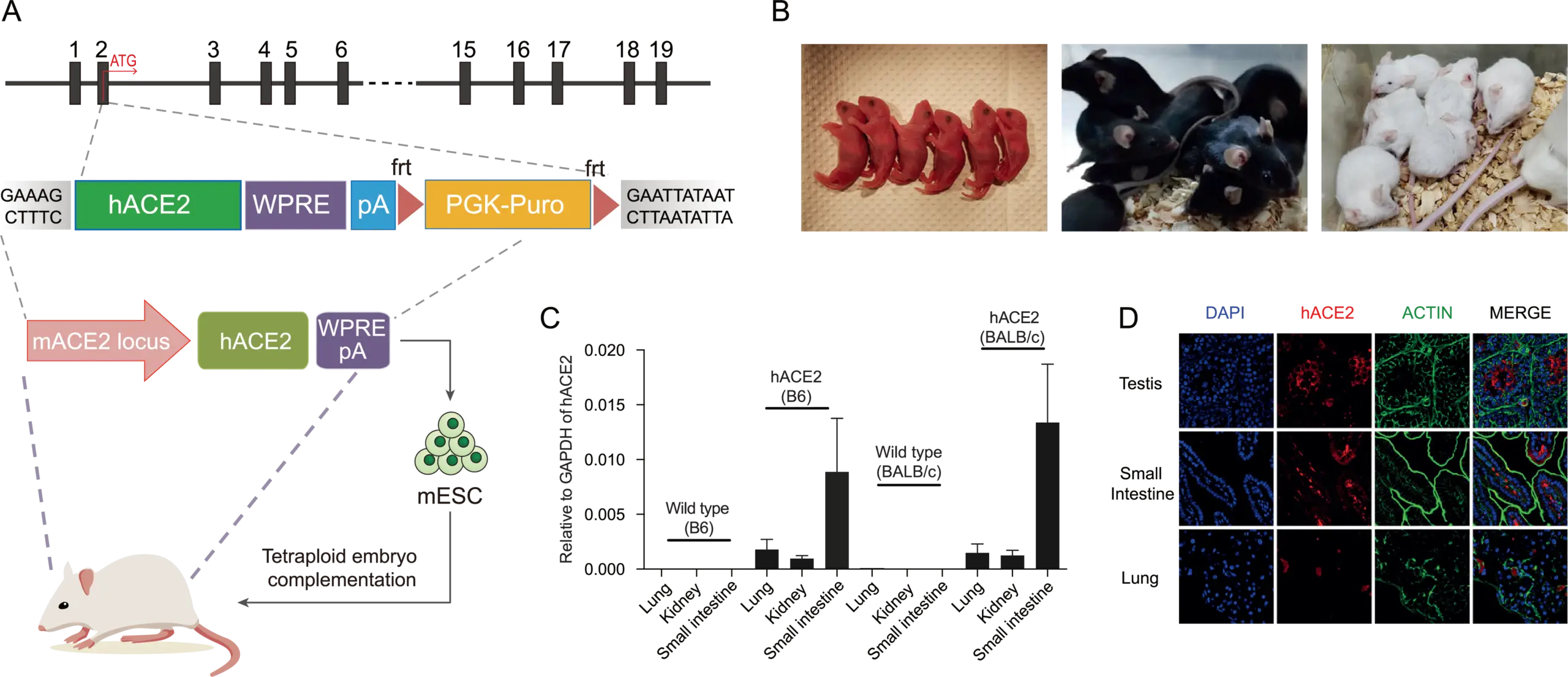
Our early success with TurboMice™ technology set new industry standards: in 2020, we successfully produced the first batch of homozygous humanized ACE2 mice in just 35 days, scaling to 500 mice within 8 months. To further enhance model phenotype quality, our team rapidly iterated 4 generations of models in just 18 months, achieving a 100-fold increase in human ACE2 protein expression. We are committed to providing scalable, high-performance genetically engineered mouse models (GEMs) tailored to your specific research requirements.
Ensuring Experimental Reliability with High Genetic Consistency via TurboMice™
Modeled mice generated through tetraploid complementation technology exhibit exceptional genetic consistency with minimal inter-individual variability, which significantly enhances the accuracy of pharmacological efficacy assessments. In contrast, F0-generation mice produced via traditional methods are often chimeric, where genetic material varies significantly between individuals in the same cohort. Consequently, these traditional models require multiple rounds of time-consuming breeding and screening to establish stable, genetically uniform lines.
By utilizing TurboMice™ technology, the resulting F0-generation mice are fully targeted models. Since each cohort is derived from a single-cell source, their genetic material is essentially identical. This minimizes experimental errors caused by genetic drift or individual variability, providing more reliable and reproducible data for drug efficacy and safety evaluations.
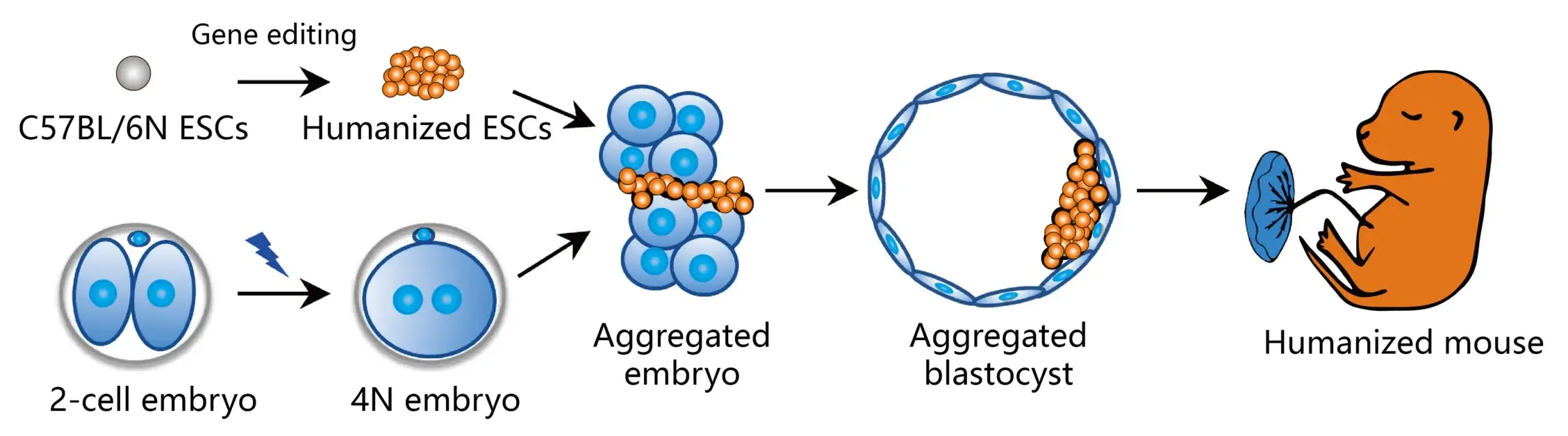
In Situ Gene Editing
VeloGene’s TurboMice™ technology enables precise, in situ gene editing at the embryonic stem cell (ESC) level, offering superior tissue specificity. The resulting genetically engineered mouse models are optimized to meet the rigorous demands of modern drug discovery and development.
Unlike traditional K18-ACE2 transgenic mice—which suffer from random insertion and a lack of tissue specificity—VeloGene’s humanized ACE2 mice achieve highly accurate tissue-specific expression (as shown in Figures C and D). By enabling more precise in vivo modeling, our ACE2 models more effectively simulate complex clinical phenotypes, making them an essential tool for advanced drug discovery.
Proprietary EnhancerPlus Analysis Platform
The expression levels of humanized genes in humanized mouse models are often insufficient, which can severely limit the utility of the model for downstream research applications. To address this, VeloGene Biotech offers our proprietary EnhancerPlus analysis platform. This specialized tool is engineered to identify and optimize regulatory elements, significantly boosting the humanized gene expression levels in your mouse models to meet the rigorous demands of your experiments.
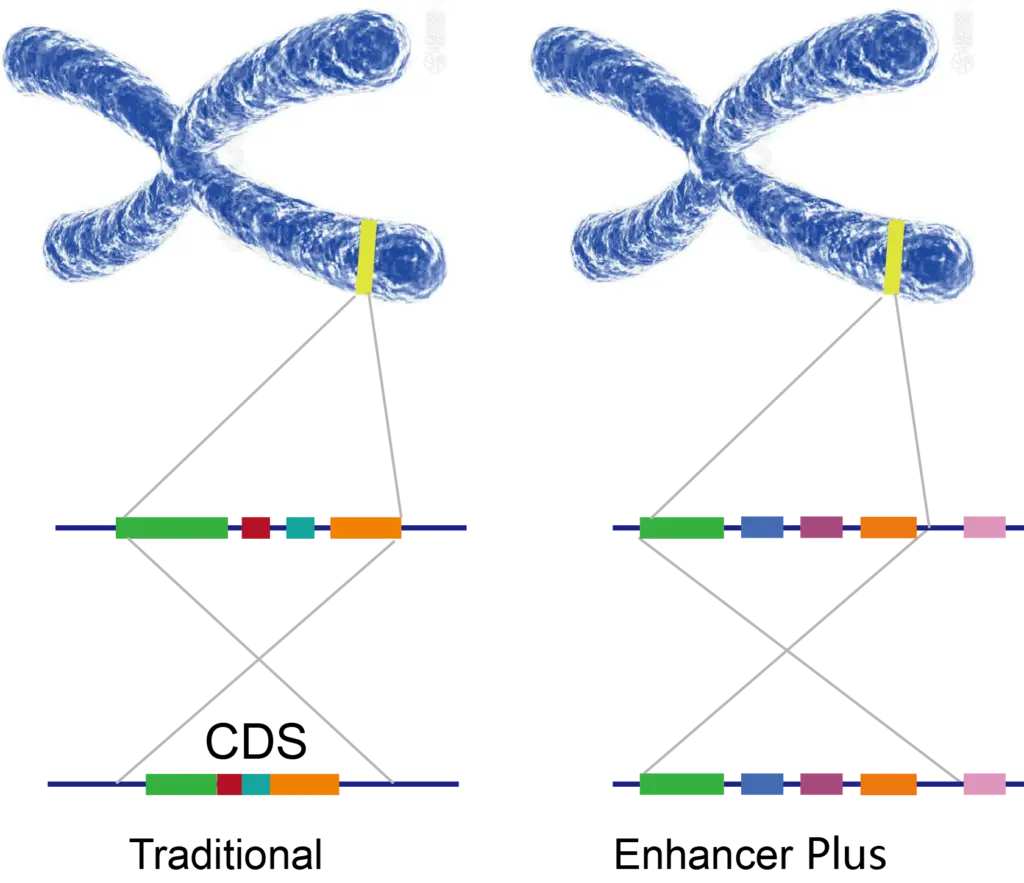


Leveraging years of proprietary data, our platform enables the precise prediction of enhancer genomic positions, providing a robust, evidence-based foundation for our humanized gene editing strategies. This approach ensures that the expression patterns and levels of humanized genes closely mimic endogenous gene expression. By optimizing regulatory control, we have achieved a 3-to-4 order-of-magnitude increase in transcriptional and translational efficiency for humanized proteins.
Case Study: Optimization of X-Gene Humanization (2022)
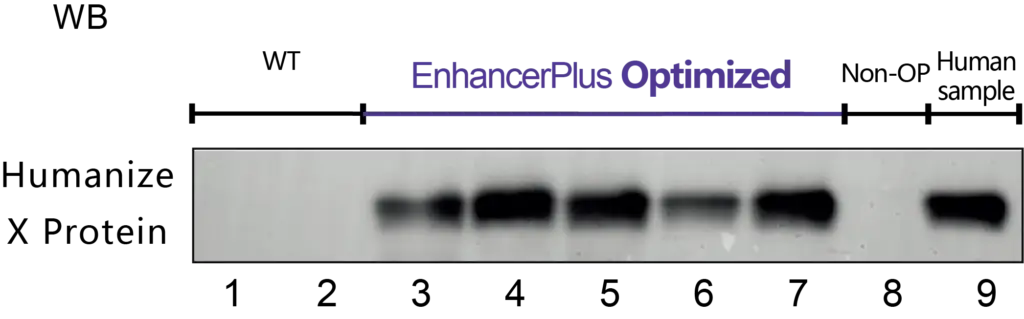
In our initial attempt at humanizing the X-gene, the expression levels were too low to meet the stringent requirements of drug discovery and development. By utilizing our proprietary EnhancerPlus analysis platform, we redesigned the gene-editing strategy to optimize the genomic regulatory environment. This optimization resulted in a three-order-of-magnitude increase in gene expression (see figure above), with the protein levels subsequently validated by the client to be fully compliant with high-standard research and preclinical drug validation requirements.
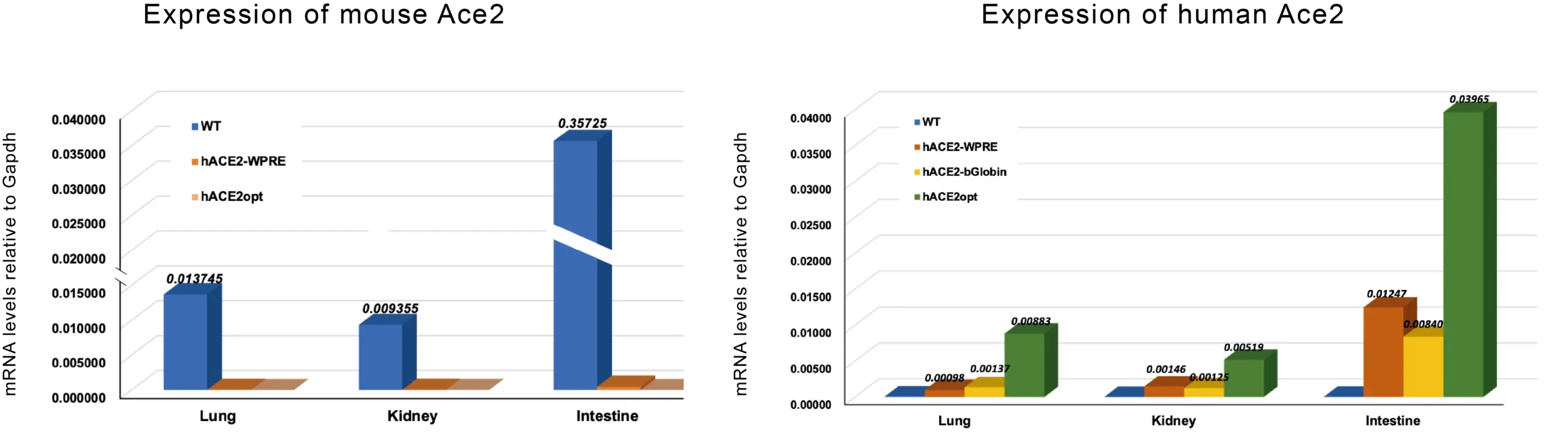
Following the industry-first rapid generation of ACE2-humanized mice within 35 days, VeloGene Biotech has successfully executed four iterations of the model through advanced Enhancer optimization and codon optimization. These iterative upgrades have consistently increased the expression levels of the humanized ACE2, which now closely approximates the levels of endogenous gene expression.
Multi-Side Gene Editing
The VeloGene TurboMice™ technology offers exceptional flexibility in selecting the genomic location, size, and quantity of gene modifications while eliminating concerns regarding allelic segregation. It stands as the premier choice on the market for constructing multi-locus phenotypic models. Our platform enables the simultaneous editing of three or more genes or loci without the need for time-consuming breeding cycles. By generating multi-locus, homozygous gene-edited mouse models directly from edited stem cells, we provide high-value, complex models essential for innovative drug discovery research.
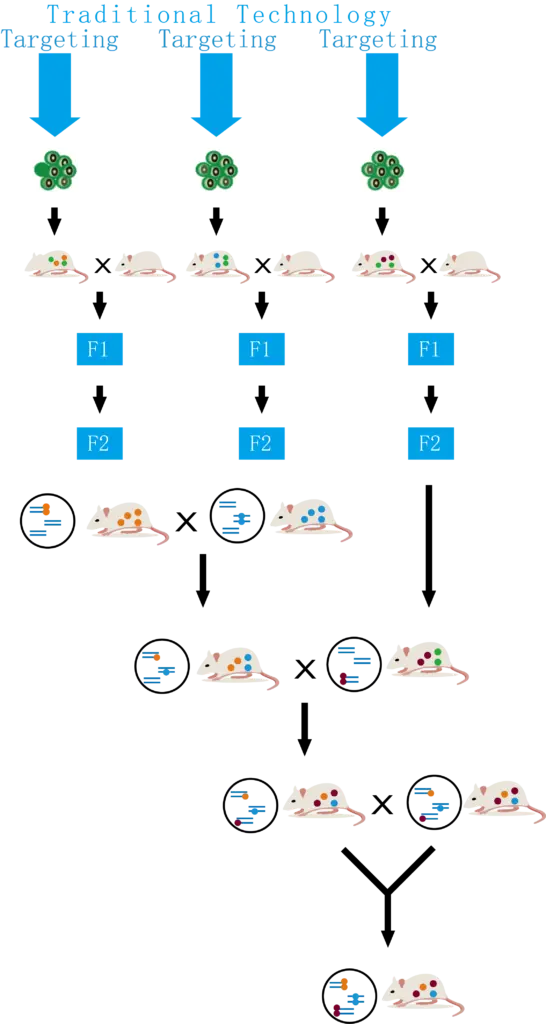
Conventional techniques require the construction of separate homozygous mice for each gene, followed by multi-generational breeding to obtain multi-locus gene-edited mice, a process that takes over two years.
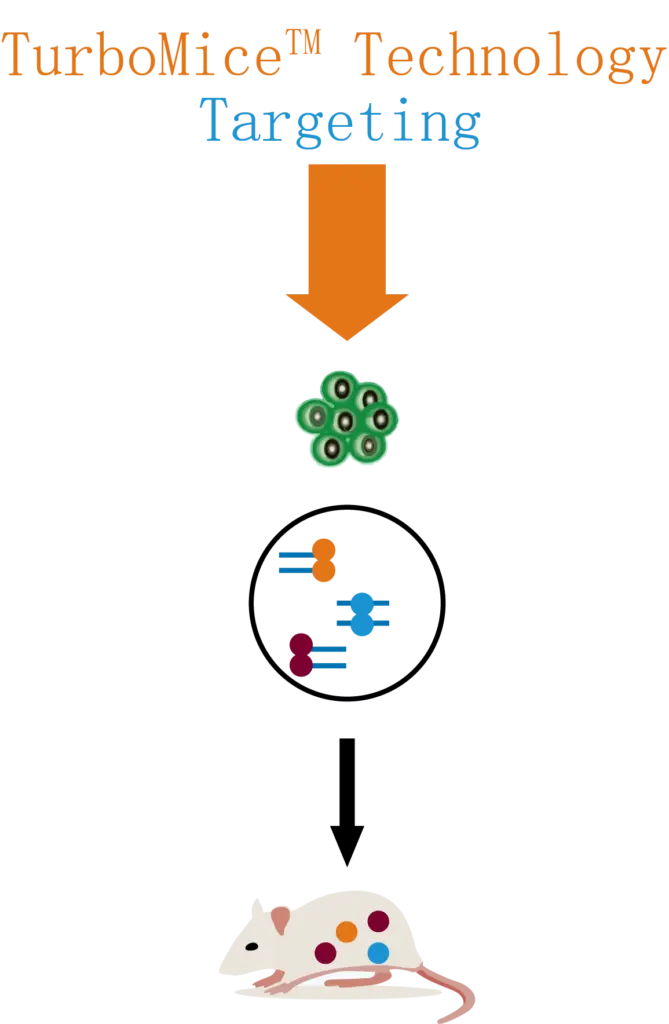
In contrast, TurboMice™ technology enables the one-step construction of multi-locus gene-edited mice, requiring In contrast, TurboMice™ technology enables the one-step construction of multi-locus gene-edited mice, requiring only 3–5 months to complete. to complete.
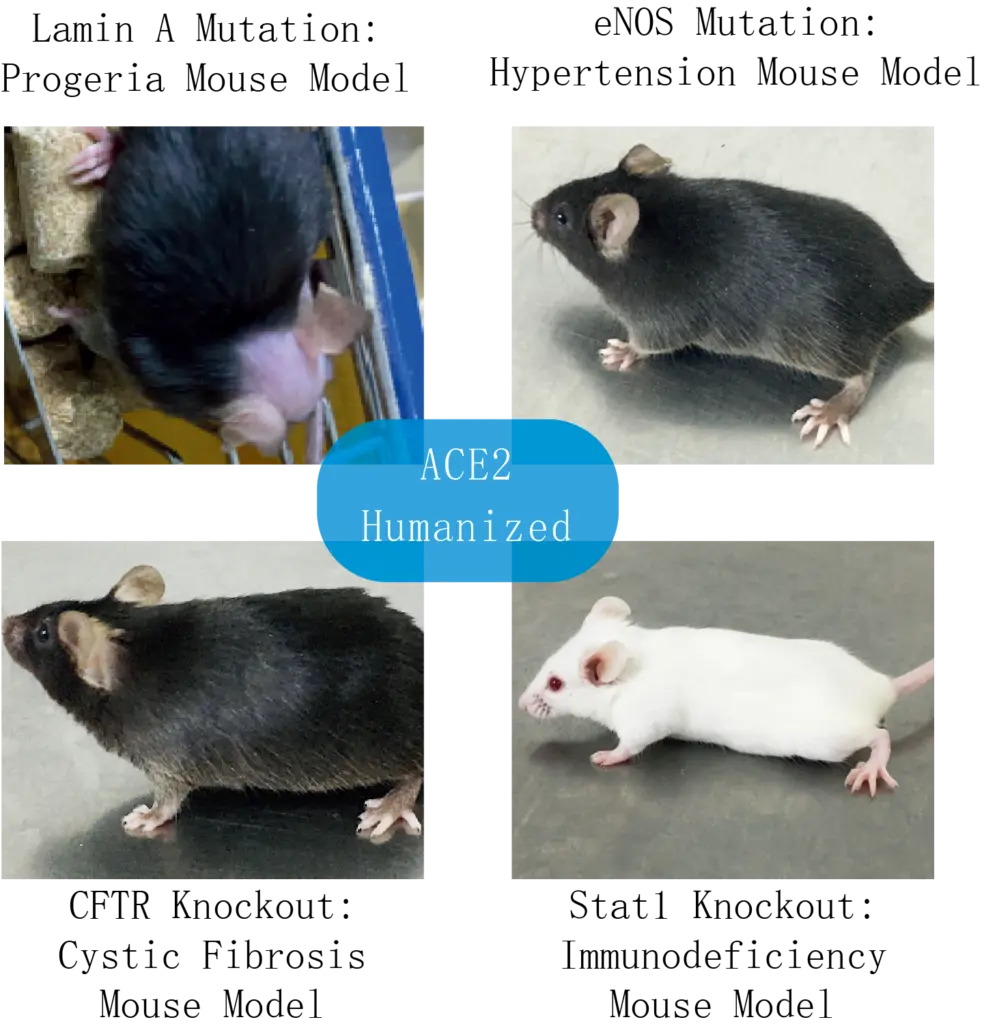
Building upon our success with ACE2-humanized mice, VeloGene Biotech has successfully developed a diverse portfolio of multi-locus gene-edited mouse models within a short timeframe.
Large Fragment Gene Editing
The TurboMice™ technology supports precise, long-fragment gene editing of over 20kb, accelerating the rapid generation of complex models, including humanized mice, conditional knockout (CKO), and large-fragment knock-in (KI) models.
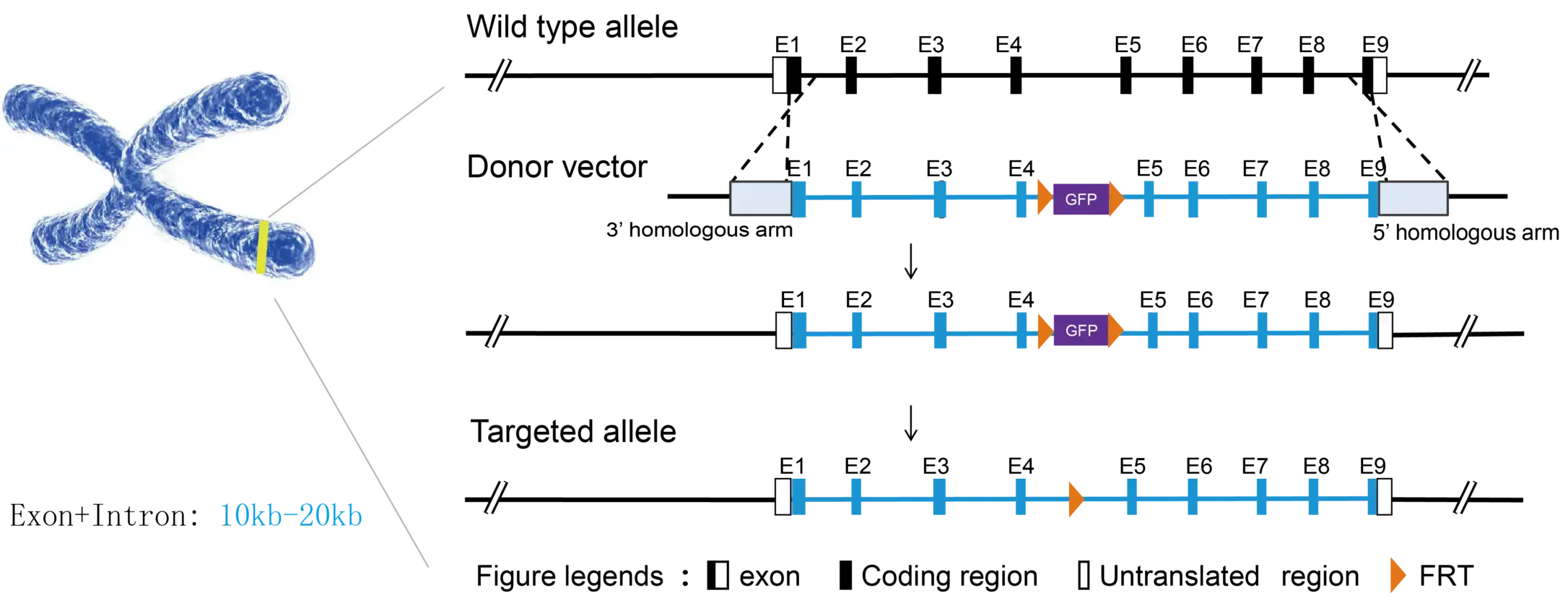
Science Resources Related to TurboMice™
| Date | Author | Title | Journal | Link |
|---|---|---|---|---|
| 2020.11.20 | Dr. Wu Guangming | Rapid generation of ACE2 humanized inbred mouse model for COVID-19 with tetraploid complementation | National Science Review | Read |
| 2024.01.02 | Dr. Wu Guangming | Highly cooperative chimeric super-SOX induces naive pluripotency across species | Cell Stem Cell | Read |
| 2019.12.05 | Dr. Wu Guangming | Excluding Oct4 from Yamanaka Cocktail Unleashes the Developmental Potential of iPSCs | Cell Stem Cell | Read |
| 2014.3.26 | Dr. Wu Guangming | Nuclear reprogramming by interphase cytoplasm of two-cell mouse embryos | Nature | Read |
| 2010.12.15 | Dr. Wu Guangming | Initiation of trophectoderm lineage specification in mouse embryos is independent of Cdx2 | DEVELOPMENT AND STEM CELLS | Read |
| 2010.01.10 | Dr. Wu Guangming | Efficient Derivation of Pluripotent Stem Cells from siRNA-Mediated Cdx2-Deficient Mouse Embryos | Stem Cell Development | Read |
Partner Resource
EditGene

IP Assurance
At VeloGene, we operate on a strict fee-for-service model. All intellectual property (IP) and materials created for your project are 100% yours. We take every measure to safeguard your IP, ensuring no vectors, ES cells, or mouse lines are retained or resold to third parties. This way, you can focus on your research with complete peace of mind.