




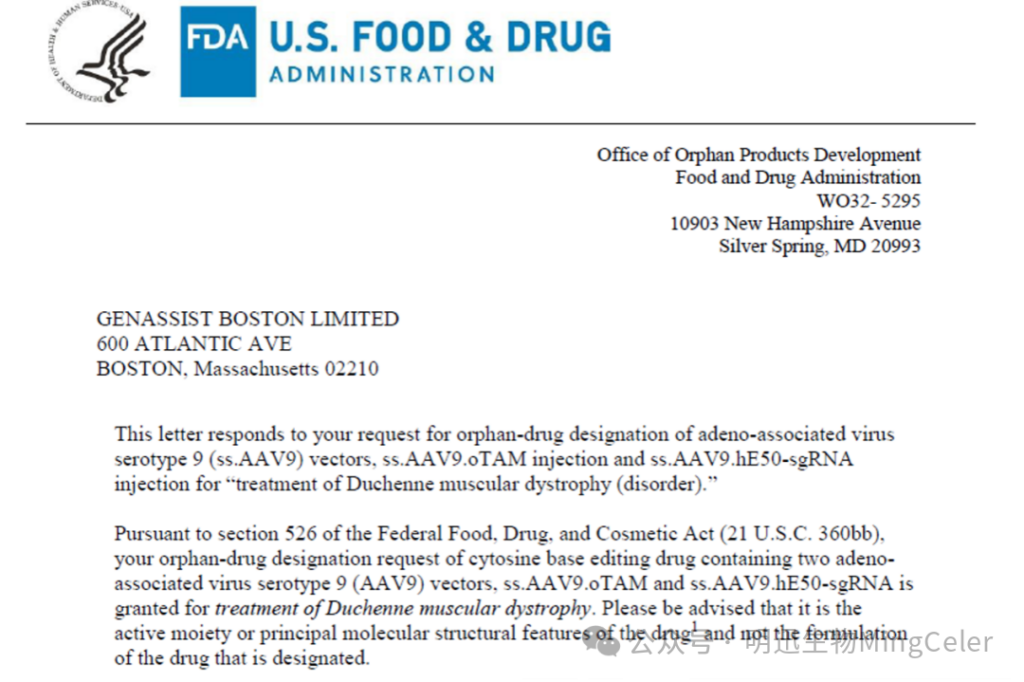
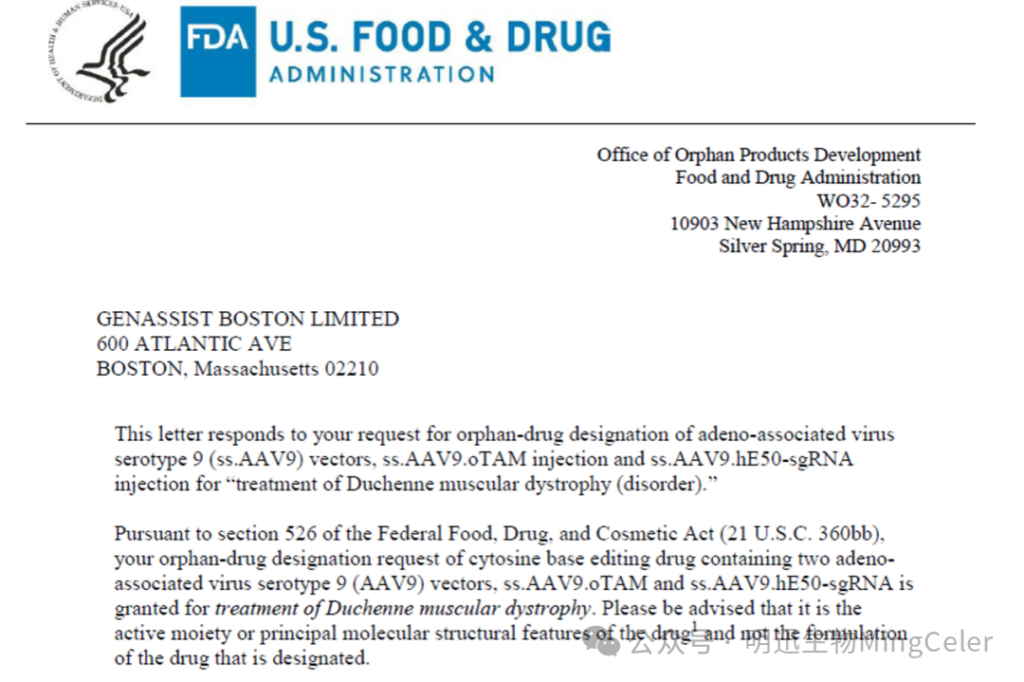
On June 9, 2025, Xinya Gene announced that GEN6050X, its proprietary in vivo base-editing therapeutic candidate, had obtained Orphan Drug Designation (ODD) from the U.S. Food and Drug Administration (FDA) for DMD treatment. This recognition marks a landmark milestone for GEN6050X in the global rare disease industry and highlights its translational potential as a best-in-class therapy.
Earlier on March 6, 2025, the Investigational New Drug (IND) application for GEN6050X was approved by the FDA, making it the world’s first gene-editing drug candidate to enter clinical trials for DMD.
Xinya Gene is an innovative biotech enterprise focused on developing base-editing therapeutics for life-threatening disorders, with DMD as its flagship indication.
What Is Duchenne Muscular Dystrophy?
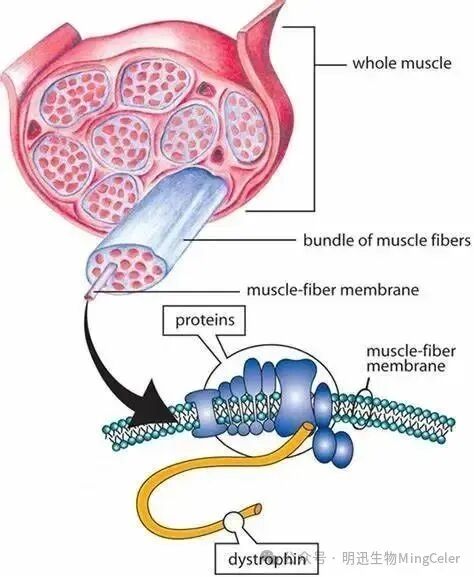
Duchenne Muscular Dystrophy (DMD) is a rare X-linked recessive hereditary disease triggered by pathogenic mutations in the DMD gene, which leads to the loss of dystrophin, a protein essential for maintaining sarcolemma stability.
Globally, DMD occurs in approximately 1 out of 3,500–5,000 male infants, affecting an estimated 450,000 to 600,000 patients worldwide. In China, the prevalence is around 8.5 per 100,000 males, with roughly 60,000 cumulative patients.
DMD primarily damages skeletal muscle and cardiac muscle. Cardiac complications include dilated cardiomyopathy, cardiac conduction abnormalities and arrhythmia. Typical early childhood manifestations include waddling gait, toe walking and lumbar lordosis. Most patients lose the ability to walk by the age of 12. Clinical data show that patients reach a peak NSAA (North Star Ambulatory Assessment) score of 26 at about 6.3 years old, followed by an annual score drop of around 3 points¹. As the disease progresses, patients develop heart and respiratory failure, with an average life expectancy of merely 26 years.
Read More at VeloGene Rare Diseases Matter Article: Duchenne Muscular Dystrophy (DMD)
Pathogenesis & Current Therapeutic Strategies
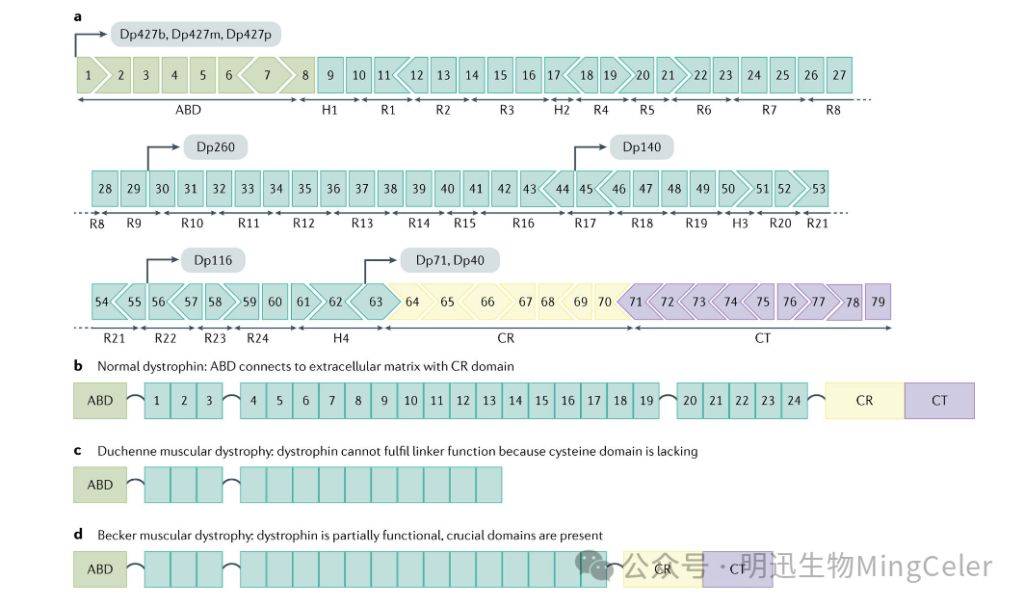
DMD stems from mutations on the X-chromosomal DMD gene. The DMD gene is the largest human gene, spanning 2.2 million base pairs and containing 79 exons. It encodes dystrophin, a structural protein expressed mainly in skeletal muscle, cardiac muscle and the central nervous system. Dystrin stabilizes the cytoskeleton and protects muscle fibers during contraction. Mutations render dystrophin absent or dysfunctional, destabilizing muscle cell membranes and triggering progressive muscle fiber destruction.
Major pathogenic variants of the DMD gene include large fragment deletions (accounting for over 60%), duplications, point mutations, insertions and splice-site defects. Most mutation hotspots are concentrated in exons 45–54.
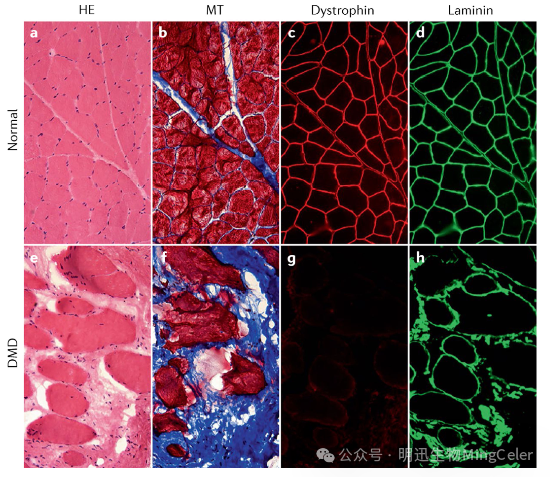
DMD remains an incurable disease to date. Nevertheless, deeper understanding of its pathogenesis and advances in stem cell and gene therapy have expanded available treatment options:
Glucocorticoid Therapy
Glucocorticoids (prednisone as the standard agent) are the only drugs proven to boost muscle strength and slow disease progression. They alleviate inflammatory injury to muscle tissue to delay loss of ambulation. However, glucocorticoids cannot resolve the root genetic defect of DMD and deliver limited long-term efficacy.
Stem Cell Therapy
Autologous or allogeneic stem cells are transplanted into patients, where they differentiate into muscle cells and produce dystrophin. Current research indicates that only a small fraction of bone marrow mesenchymal stem cells (BM-MSCs) can effectively facilitate muscle fiber regeneration.
Gene Therapy
1. Exon Skipping Therapy
Modified antisense oligonucleotides (ASOs) selectively bind pre-mRNA to skip targeted exons, restoring the open reading frame and generating truncated but partially functional dystrophin protein.
2. Gene Editing Therapy
Precise genomic modification at pathogenic mutation sites permanently repairs genetic defects and restores endogenous dystrophin expression in preclinical mouse models.
VeloGene Biotechnology Empowers Gene Therapy R&D
Gene therapy brings new hope to rare disease treatment, yet its preclinical research and efficacy verification fully rely on standardized animal models. Supported by proprietary TurboMice™ technology, VeloGene Biotechnology has developed multiple rare disease mouse models, including GJB2 deafness strains and transthyretin amyloidosis mice.
TurboMice™ technology addresses two long-standing pain points of traditional transgenic mouse production: long breeding cycles and low success rates for complex gene editing. The platform enables targeted editing of nearly any genomic locus, and fully homozygous gene-edited mouse lines can be directly generated from embryonic stem cells in as short as 2 months.
VeloGene Biotechnology focuses on customized rare disease animal model development. We can rapidly tailor mouse strains to meet diverse research requirements. Academic and industrial researchers are welcome to reach out for consultations!
References
[1] https://www.ncbi.nlm.nih.gov/books/NBK482346/
[3] Zhao HW, Shao LJ, Kuang BH. Advances in the treatment of Duchenne muscular dystrophy. Advances in Clinical Medicine, 2024, 14(4): 2420-2426.
[4] Wang XD, Tao YQ, Su QB, et al. Research progress of gene editing for DMD. Chinese Journal of Clinical Pharmacology, 2020, 36(04).