




I want to order some gene edited mice model. But I am curious about the different between C57BL/6J and 6N, are they the same or different?
Actually, B6N are 99% identical to B6J, and they can be used for most of the experiments without issues. I can certainly discuss this matter with you further!

At the beginning of the breeding of C57BL/6 mice, due to their high degree of inbreeding, good reproductive performance, and high in vitro fertilization rate, the first gene knockout mouse was established in the late 1980s. The background mouse selected was C57BL/6 mouse.
C57BL/6 is also the first mouse strain to have its genome sequenced. The International Knockout Mouse Consortium (IKMC) selected C57BL/6N as the standard background strain to produce more than 20,000 knockout mice, and their gene functions were analyzed by the International Mouse Phenotyping Consortium (IMPC).
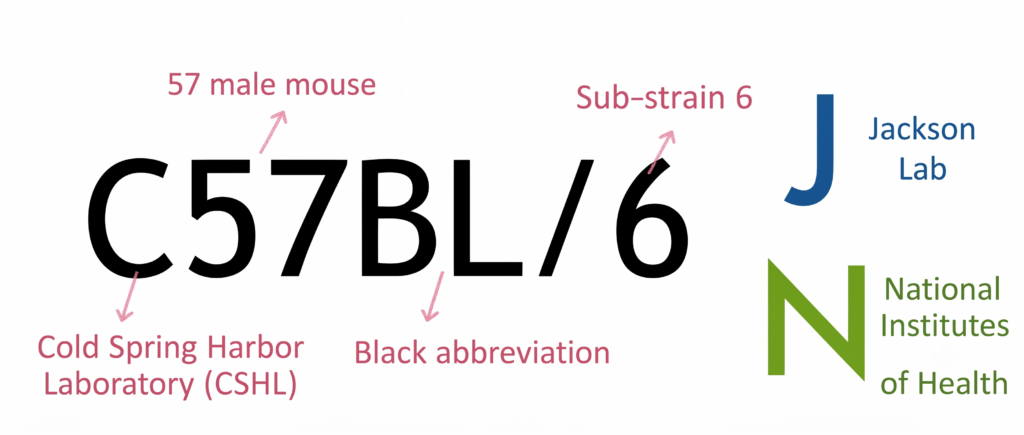
In fact, the B6N and B6J gene sequences are 99% identical and can be used universally in most experiments. However, there are some sequence differences between B6N and B6J, including 34 coding SNPs (single nucleotide polymorphisms), 2 coding small indels (insertion or deletion mutations), 146 non-coding SNPs, and 54 non-coding small indels.
1921
The history of the C57BL/6 series of mice dates back to 1921, when C.C. Little developed the C57BL/6 strain through inbreeding.
1947
The Jackson Laboratory in the United States introduced C57BL/6 from Little and named it C57BL/6 (B6J).
1951
The National Institutes of Health (NIH) introduced the 32nd generation of C57BL/6J from the Jackson Laboratory and formed the subline C57BL/6N (B6N).
Metabolism related research
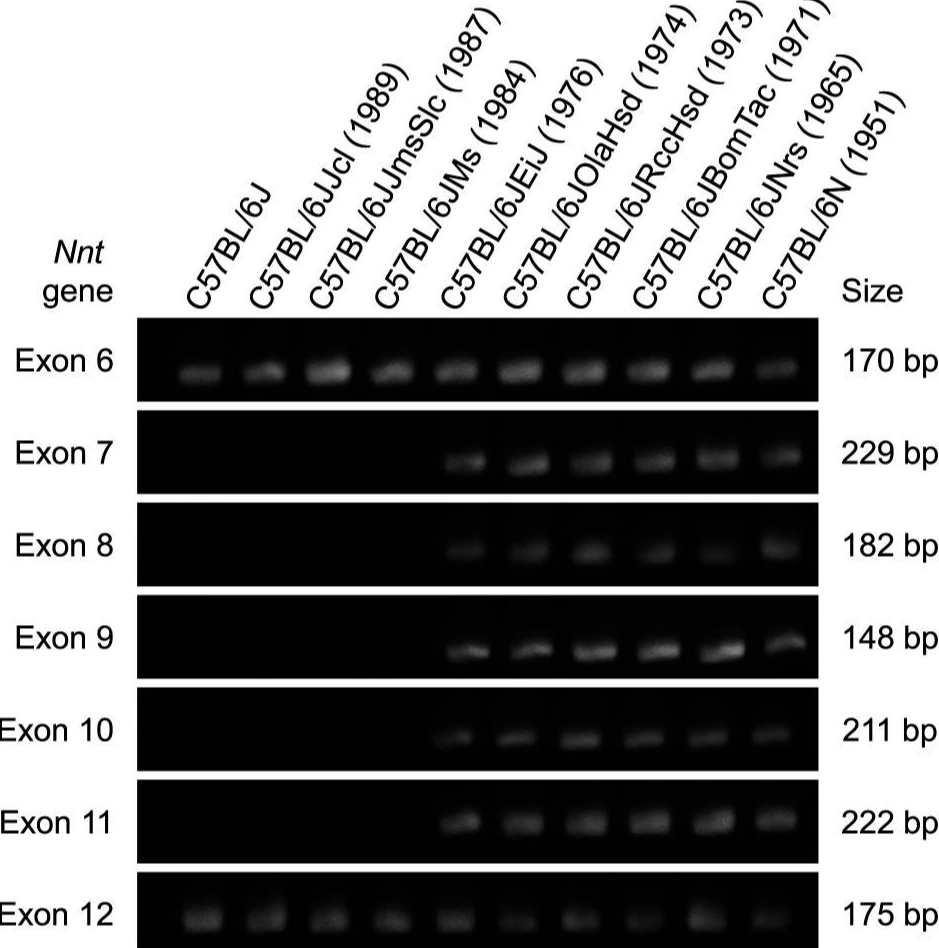
B6J carries Nnt (nicotinamide nucleotide transhydrogenase) mutation, which results in inhibition of insulin secretion and mitochondrial function. Therefore, it has abnormal glucose tolerance and impaired insulin secretion.
The isoleucine of the Pmch gene in B6N is mutated to threonine, which results in higher oxygen consumption and lower glucose tolerance, but circulating glucose levels and normal glucose tolerance are both higher than B6J.
In diet-induced obesity, B6N mice gain greater weight on a high-fat diet compared with B6J mice. B6N mice are suitable for sensitivity research on obesity, metabolic syndrome, type Ⅱ diabetes, etc.
Immunity related research
Nlrp12 is associated with human autoinflammation, regulating immune cell trafficking and cytokine production.
The C-terminal leucine-rich repeat region of the Nlrp12 gene of B6J is mutated, with arginine mutated to lysine, resulting in impaired chemokine production, immune cell infiltration and pathogen clearance, and may not be suitable for studying neutrophil responses to immune system pathogens or functions. It is recommended to use B6N mice for research in this area.
Ophthalmology related research
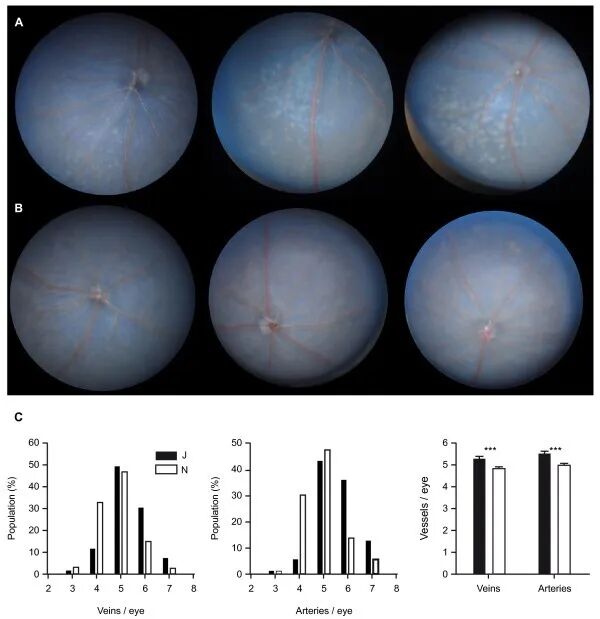
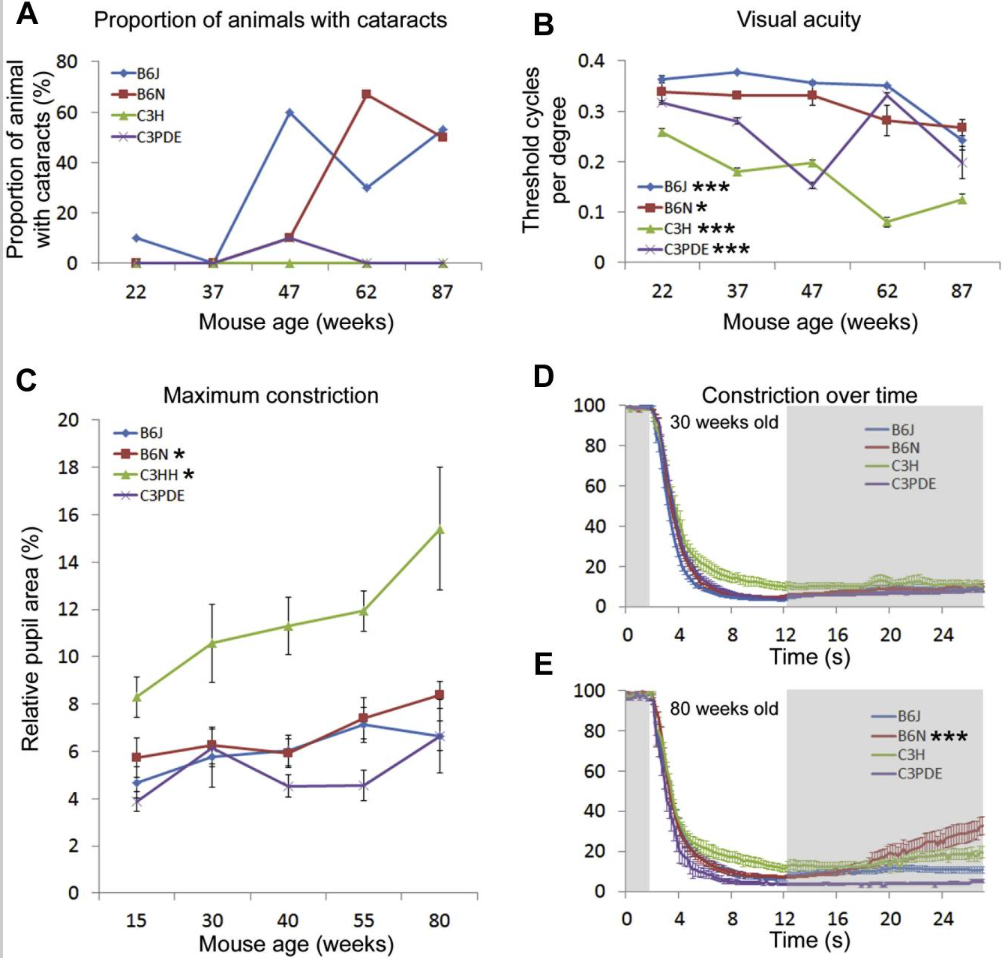
B6N and B6J mice have significant differences in vision, primarily related to mutations in their genes. B6N mice carry a Crb1rd8 gene mutation, which results in reduced vision and white spots visible under the eyes, while B6J mice do not have this mutation and have relatively normal vision.
B6N mice have significantly fewer mean numbers of retinal arteries and veins than B6J mice and exhibit differences in response to light-induced choroidal neovascularization, among other things. Additionally, B6N mice are more susceptible to age-related retinal degeneration and vision loss as they age.
Heart related research
B6N carries a Mylk3 gene mutation that results in the loss of MYLK3 protein expression, making it an ideal model for studying cardiovascular diseases such as cardiomyopathy.
Others
C57BL/6J vs C57BL/6N Comparison
| Category | C57BL/6J | C57BL/6N |
|---|---|---|
| Eyes |
|
|
| Cardiovascular |
|
|
| Metabolism |
|
|
| Neurology |
|
|
| Physiology & Behavior |
|
|
| Immunology |
|
|
| Others |
|
|
The B6N and B6J gene sequences are 99% identical and can be used universally in most experiments. B6N is a gene editing mouse background strain commonly used by IKMC, Taconic Biosciences, and Charles Rive. Except for very special aspects of research, there is no big difference between the two as gene editing mice.
In summary, before choosing C57 as an experimental subject, in addition to understanding the characteristics of C57BL/6, you need to understand the differences between different substrains, and then combined with the direction and purpose of the research, fully review the relevant literature, and finally determine the appropriate mouse selection.
VeloGene TurboMice™ Tetraploid Complementation Technology
Traditional animal model technologies include pronuclear microinjection technology and ES targeting chimeric technology, which adopt the “mouse-making mouse” model, which requires 2-3 generations of breeding to obtain homozygous mice. The entire process takes at least 6-8 months or even several years.
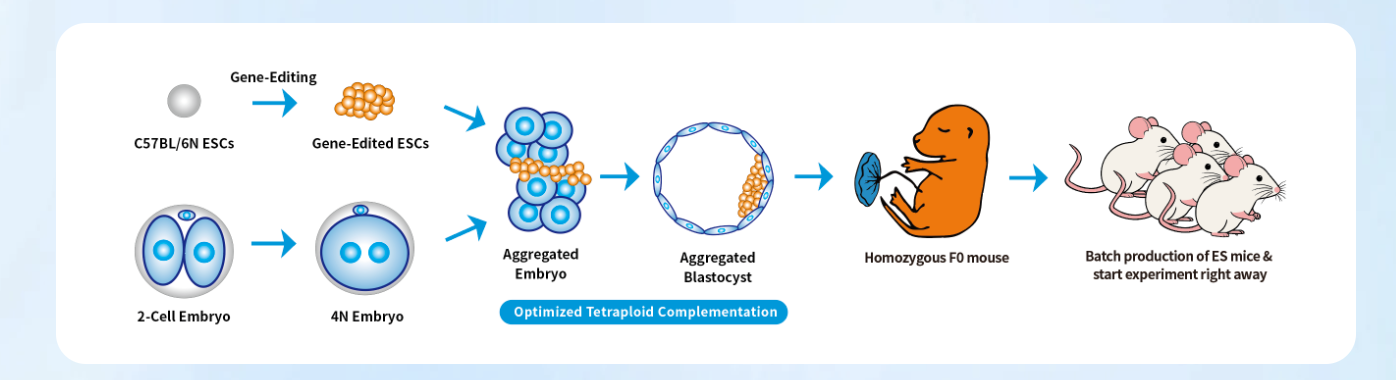
The TurboMice™ technology independently developed by VeloGene Biotechnology breaks through the technical problems of long mouse modeling cycle and low success rate of complex models. It can realize the editing of almost any target gene site. It directly prepares gene editing target mice in batches from mouse embryonic stem cells, bypassing the time-consuming breeding and screening steps of conventional technologies. The modeling cycle is greatly shortened, and homozygous mice can be delivered within 2-4 months! Wish our solution can help with all researchers’ R&D!