
The Next Generation of Mouse Model Preparation Platform
- 4-Week Delivery: World’s fastest custom mouse model development.
- TurboMice™ Tech: Proprietary high-efficiency gene-editing platform.
- Full Capabilities: Expert conditional knockouts, knock-ins, and humanized models.
- Validated Quality: Guaranteed high precision and model viability.


Why Choose VeloGene Biotechnology?
The Historical & Technical Story of Tetraploid Complementation Technology
The Science of Tetraploid Complementation
What is the Tetraploid Complementation Assay?
The Tetraploid Complementation (4N) Assay is widely recognized in developmental biology as the absolute “gold standard” for validating true pluripotency. The assay exploits a strict developmental dichotomy established during early mammalian embryogenesis.
To initiate the assay, a healthy two-cell or four-cell stage wild-type murine embryo (2N) undergoes precise electrofusion, which forces the cell membranes to merge and effectively doubles the chromosome count, creating a tetraploid (4N) embryo. Nature enforces a rigid developmental restriction on these 4N cells: as the fused embryo develops to the blastocyst stage, the tetraploid cells lose the capacity to differentiate into the proper epiblast (the inner cell mass that forms the fetus itself). Instead, they are selectively restricted to forming the trophectoderm (TE), which exclusively gives rise to the extraembryonic tissue—the placenta.
To rescue this developmentally restricted embryo, donor pluripotent stem cells (ESCs or iPSCs) are microinjected into the cavity of the 4N blastocyst. Because the host cells can only build the placenta, the injected donor stem cells are forced to fully colonize the inner cell mass (ICM). If the donor cells possess immaculate, naive pluripotency, they will single-handedly direct the entire organogenesis of the organism, resulting in the birth of fully viable, fertile neonates that are derived entirely from the donor cell line (all-iPSC derived mice).
What are the Historical Technical Bottlenecks?
Despite its elegance, translating the 4N assay from a rare laboratory phenomenon to a reproducible biotechnology platform was historically bottlenecked by two severe biological barriers:
Epigenetic Imprinting Corruption: Traditional somatic cell reprogramming using the conventional Yamanaka factors (OSKM) introduces severe epigenetic noise. Most notably, it causes persistent, aberrant hypermethylation at the Dlk1-Dio3 locus—the master epigenetic rheostat for mammalian fetal development. When this locus is silenced, the engineered cells lose their developmental fidelity, leading to placental hypercellularity, mid-gestation lethality, and an abysmally low birth rate (often <1%).
The Oct4 Paradox: For decades, Oct4 was dogmatized as the indispensable core anchor of pluripotency. However, breakthrough kinetic screening revealed that the forced over-expression of Oct4 during the reprogramming cocktail acts as a molecular bully. Excessive Oct4 proteins form aberrant homodimers and squelch the cell’s endogenous chromatin-remodeling co-factors, actively driving the hypermethylation of the Dlk1-Dio3 locus and ruining the cell’s capacity to pass the 4N assay.
What are the Core Advantages over Traditional Chimeras?
Traditional transgenic mouse model generation relies on injecting modified ESCs/iPSCs into a normal diploid (2N) blastocyst, creating a chimeric mouse containing a mixture of both donor and host cells. The 4N complementation assay completely obsoletes this approach through several distinct advantages:
Bypassing Generations of Breeding (One-Step Generation): Chimeric mice must be crossed with wild-type mice for multiple generations to achieve germline transmission and isolate homozygous, pure-background experimental cohorts. The 4N assay bypasses animal breeding entirely; because the host cells only form the placenta, the newborn mice are 100% derived from the modified cell line, delivering experimental-ready cohorts in a single step.
Absolute Background Purity: Traditional chimeras often carry mixed or unpredictable genetic backgrounds due to host-donor contamination. 4N mice feature 100% genetic fidelity matching the donor cell line, eliminating phenotypic variance and delivering highly reproducible data.
Commercial Realization: Industrializing the TurboMice™ Platform
VeloGene has successfully bridged the gap between complex embryological science and scalable manufacturing by systematically engineering away the biological vulnerabilities of the 4N assay into our proprietary TurboMice™ platform:
Oct4-Free Reprogramming: By eliminating Oct4 from the initial cocktail and deploying a refined three-factor combination (Sox2, Klf4, and c-Myc [SKM]), the TurboMice™ platform preserves a pristine epigenetic landscape. The Dlk1-Dio3 locus remains 100% unblemished and active, mirroring the exact molecular fidelity of natural embryonic stem cells and elevating the 4N birth rate to industrial-scale viability.
The Super-SOX Upgrade: To stabilize the core pluripotency circuitry, our platform utilizes an engineered, synthetic master transcription factor—Super-SOX. By grafting the potent transactivation domains of Sox17 onto the structural spine of Sox2, Super-SOX locks the endogenous pluripotency network into perfect equilibrium without any off-target epigenetic scarring, expanding this high-efficiency platform across multiple mammalian species.
Cell-to-Cohort Automation: By combining epigenetically flawless cell lines with automated, high-throughput microinjection and optimized electrofusion protocols, TurboMice™ scales the 4N assay into a robust commercial pipeline. VeloGene delivers complex multi-gene knockouts, conditional knock-ins (cKI), and humanized mouse models directly from edited cell lines to scalable experimental cohorts—slashing conventional 12-month timelines down to mere weeks.
Story of Dr.Wu and Tetraploid Complementation Technology
Redefining Pluripotency: The Evolution and Application of Tetraploid Complementation
In the realm of transgenic mouse model generation, the tetraploid complementation (4N) assay has long been recognized as the absolute “gold standard” for validating true cell pluripotency. While traditional chimeric assays often yield mixed genetic backgrounds requiring generations of tedious breeding, the holy grail of developmental biology has always been the reliable birth of all-iPSC derived mice (4N-ON mice)—living organisms derived entirely from a single reprogrammed cell in a single step.
For decades, the translation of this pinnacle technology from a delicate laboratory phenomenon to a robust, scalable industrial platform remained bottlenecked by epigenetic instability and low birth rates.
As the pioneer in advanced embryonic engineering, VeloGene has successfully unlocked this potential. By tracing the scientific lineage from foundational embryonic lineage studies to our proprietary TurboMice™ technology, we have transformed tetraploid complementation into a high-throughput, turn-key solution. We don’t just validate pluripotency; we fast-track drug discovery by delivering fully functional, pure-background humanized and genome-edited mouse models directly from cells to cohorts—bypassing years of traditional breeding.
The Genesis: Decoding Oocyte Rejuvenation, Blastocyst Patterning, and Lineage Segregation (2002–2013)
Every profound technological leap begins not with a commercial blueprint, but with a quiet, persistent rebellion inside a laboratory. For VeloGene, that rebellion was ignited more than two decades ago by Prof. Guangming Wu, the foundational scientific architect of our TurboMice™ platform.
At the turn of the century, the tetraploid complementation (4N) assay was regarded in developmental biology as an exquisite but notoriously temperamental phenomenon. The biological premise was elegant yet brutal: take a mouse embryo at the two-cell or four-cell stage, apply a precise high-voltage electrical pulse, and force its membranes to fuse, doubling its chromosome count to tetraploid (4N). Nature, in her strict gatekeeping, ensures these 4N cells lose the ability to form the fetus itself; instead, they are restricted to building the trophectoderm (TE)—the embryonic placenta. To birth a living mouse, scientists had to microinject donor pluripotent stem cells into this hollow 4N host, hoping they would seamlessly colonize the inner cell mass (ICM) and single-handedly direct the organogenesis of a living neonate (all-iPSC derived mice).
Yet, for years, this was an unpredictable embryological art rather than a reproducible science. The success rate hovered near zero, and the molecular machinery governing this delicate placenta-fetus dichotomy remained locked in a dark black box. Prof. Wu set out to unlock it, embarking on a golden decade of research that would fundamentally challenge textbook dogmas.
Episode I: The Ghost in the Cytoplasm (2002–2005)
It was a quiet evening in 2002. Inside a dimly lit incubation room, Prof. Wu sat hunched over a high-resolution stereomicroscope, tracking the chaotic, rapid transitions of early cell division. He noticed a recurring tragedy under the lens: perfectly healthy-looking oocytes would suddenly stall during meiotic maturation, their chromosomes condensing prematurely into tangled, unviable structures. The traditional protocols were too blunt; they were treating the cell cycle as a simple linear switch, failing to recognize the subtle temporal rhythms of the cytoplasm.
Prof. Wu decided to slow down time. He introduced Butyrolactone I (BL-I)—a highly specific inhibitor targeting the CDK1/p34^cdc2 complex. On that day, as he calibrated the dosage, he watched a remarkable synchronization unfold: the drug acted like a molecular brake, safely pausing germinal vesicle breakdown (GVBD) and allowing the fragile oocyte cytoplasm to catch up with its genetic material, preserving its pristine developmental fidelity.
Shortly after, in 2005, while mapping the genetic dark matter of wild-derived mouse strains, Prof. Wu’s team unmasked the enigmatic Oocyte maturation (Om) locus, isolating the precise genetic drivers behind early embryonic cleavage failures. These early breakthroughs were not just abstract academic victories. They were the first crucial pieces of the VeloGene puzzle, giving our future engineering teams the exact blueprint needed to stabilize host embryos—achieving the extraordinarily high blastocyst survival rates that underpin our modern, industrial-scale microinjection platform today.
Episode II: The Day the Textbook Met its Fracture (2010–2011)
By 2010, Prof. Wu’s scientific journey brought him face-to-face with the ultimate gatekeeper of mammalian development: the Cdx2 gene.
For generations, biological textbooks taught an absolute, unshakeable law: Cdx2 was the unidirectional master switch for the placenta. The scientific consensus was rigid—once an outer embryonic cell turned on Cdx2, its fate was sealed forever as a placenta-forming cell, completely separate from the fetus-forming inner core.
But on a Tuesday afternoon in 2010, while analyzing transcriptomic profiles of early embryos, Prof. Wu and his global collaborators stared at a data sheet that shouldn’t exist. They discovered that the initiation of trophectoderm differentiation and cellular polarization was occurring entirely independent of Cdx2. The master switch wasn’t a switch at all; it was a maintainer.
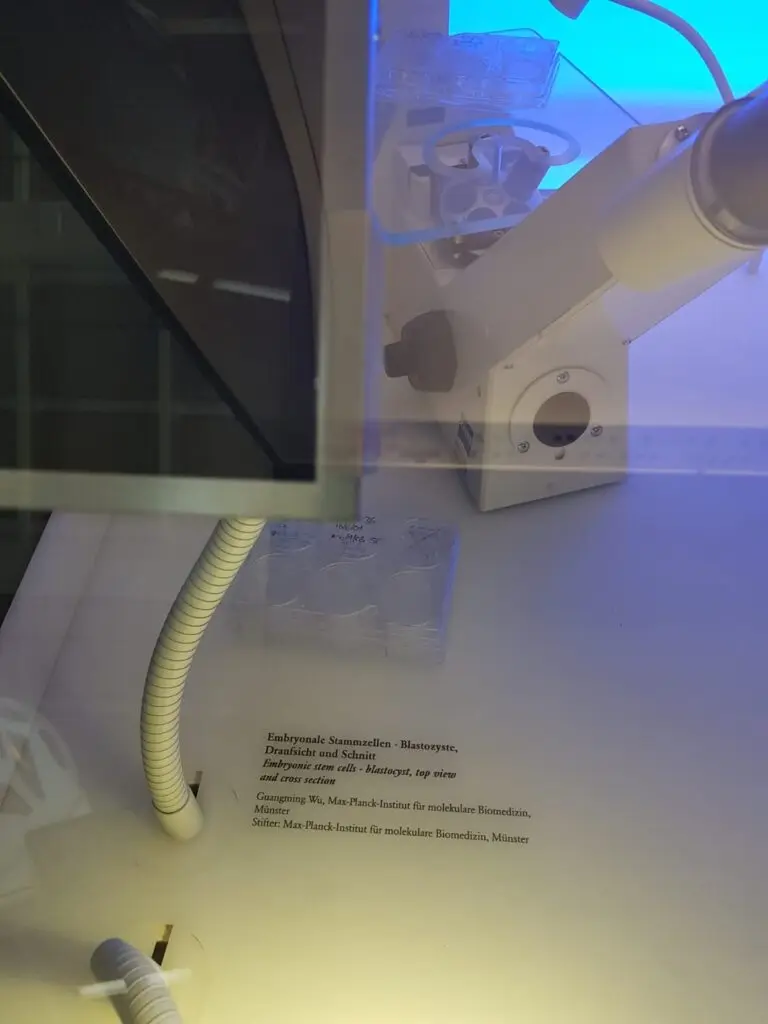
This spark of insight led to an even more daring experiment in 2011. Prof. Wu wondered: If the cell fate isn’t locked at the start, can we pull it back?
His team isolated Cdx2-deficient embryos at the fragile 8-cell stage—right on the razor-thin edge of definitive lineage commitment. Through the micromanipulator, they gently intervened, manipulating the molecular signaling pathways of these restricted outer cells. Under the lens over the next 48 hours, a biological miracle occurred: the cells did not wither. Instead, they shed their outer identity, reversed their cellular clocks, and were completely reprogrammed back into pristine, highly versatile pluripotent stem cells.
This discovery sent shockwaves through developmental biology. It proved that the boundary between “placenta” and “fetus” was not a concrete wall, but a fluid, molecularly tunable line. For VeloGene, this unlocked the precise regulatory keys needed to orchestrate perfect cellular synchronization between the host 4N embryo and the donor stem cells, stripping away the randomness that plagued early embryonic engineering.
Episode III: Awakening the Bulldozer within the Core (2009–2013)
Having mastered the host embryo’s “soil,” Prof. Wu turned his full attention to the “seed”—the donor stem cells that must single-handedly build the living mouse. To pass the absolute test of the 4N complementation assay, these cells had to exist in a state of immaculate naive pluripotency.
In 2009, the prevailing dogma dictated that creating pluripotent stem cells required a chaotic cocktail of multiple viral oncogenes, often leaving the cell’s genome scarred and unstable. Prof. Wu challenged this by demonstrating that naive pluripotency could be fully re-established in neural stem cells using just a single factor—Oct4. He proved that the cell’s internal multi-potency network wasn’t broken; it was merely asleep, waiting for a single, gentle nudge rather than a genetic hammer.
Then came 2010, a year marked by a profound epigenetic breakthrough. While exploring the dense, tightly wound architecture of the cell’s nucleus, Prof. Wu’s team illuminated the workings of the BAF (SWI/SNF) chromatin remodeling complex. They discovered that BAF didn’t just sit on the DNA; it acted like a molecular bulldozer. In a stunning set of experiments, they watched the BAF complex actively plow through heavily condensed genomic regions, opening up tightly packed chromatin to allow pluripotency factors to bind safely. This elegant mechanism achieved what the scientific community had deemed impossible: highly efficient germline transmission without relying on the dangerous oncogene c-Myc.
Finally, in 2013, Prof. Wu captured the final missing piece of this foundational era. His team identified the TFIID basal transcription complex as the structural anchor keeping this entire newly opened pluripotency network in perfect, unyielding equilibrium. Concurrently, his meticulous tracking of Oct4 isoforms (such as Oct4A) precisely delineated the boundary where true totipotency ends and naive pluripotency begins.
By unifying oocyte cytoplasmic mechanics, Cdx2-mediated lineage plasticity, and BAF-driven chromatin accessibility, this golden decade of tireless exploration transformed tetraploid complementation from an unpredictable embryological art into a highly reproducible, deterministic cell-engineering science. This rich, unbroken academic lineage is the raw biological engine behind our TurboMice™ platform today.
The Evolution: Eliminating the Oct4 Paradox and Unlocking 4N Viability (2014–2019)
By 2014, the biotechnology world was swept up in the euphoria of induced pluripotent stem cells (iPSCs). The pioneering Yamanaka factors (OSKM) had promised a future of limitless cellular engineering. Yet, behind the triumphant press releases lay a dark, unspoken secret that tormented developmental biologists worldwide: when these highly celebrated early-generation iPSCs were subjected to the ultimate test—the tetraploid complementation (4N) assay—they failed catastrophically.
The success rate plummeted to less than 1%. Under the microscope, the embryos were a canvas of developmental tragedy: misshapen placentas choked by severe hypercellularity, mid-gestation lethality, and hearts that stopped beating before birth. The industry had hit a concrete wall. Competitor platforms could routinely generate cells that looked pluripotent in a dish, but they could not reliably produce all-iPSC derived live mice. The bottleneck wasn’t the mechanical skill of the technician’s hand; it was a ghost in the genome—a lethal epigenetic imprinting defect whispering inside the engineered cells.
Episode I: The Secret Within the Two-Cell Cytoplasm (2014)
The quest to solve this mystery began with a fundamental detour into nature’s own reprogramming engine. In 2014, while the rest of the world was blindly scaling up traditional OSKM protocols, Prof. Guangming Wu paused to ask a deeper question: Where does the most powerful, unblemished reprogramming actually occur in nature?
The answer led him to the interphase cytoplasm of the 2-cell stage mouse embryo.
In a series of delicate micro-manipulation experiments, Prof. Wu’s team demonstrated that the cytoplasm of a 2-cell embryo possesses a transient, yet incredibly potent, endogenous reprogramming machinery. When somatic nuclei were exposed to this natural cellular matrix, the genome underwent a swift, synchronized reset that preserved embryonic fidelity.
This discovery provided the team with a baseline of “perfection.” By comparing the flawless chromatin accessibility achieved by the 2-cell cytoplasm against the chaotic genomic landscapes generated by traditional Yamanaka factors, the diagnostic investigation truly began. The team now had a molecular ledger to score what the artificial OSKM cocktail was doing wrong.
Episode II: The Crime Scene Investigation of the Dlk1-Dio3 Locus (2015–2018)
For three grueling years, between 2015 and 2018, the laboratory was turned into a molecular forensics unit. Week after week, Prof. Wu and his researchers harvested failed clones from 4N host embryos, running high-throughput bisulfite sequencing, RNA-seq, and ChIP-seq to cross-examine their epigenomes.
Then came a pivotal winter morning in 2017. While cross-referencing massive clusters of epigenetic data, a stark, undeniable anomaly caught Prof. Wu’s eye. Every single clone that had failed the 4N assay exhibited a dense, heavy blanket of aberrant hypermethylation on a single, specific genomic stretch: the Dlk1-Dio3 locus.
This locus is the master epigenetic rheostat for mammalian fetal development, housing critical maternally expressed non-coding RNAs like Gtl2 and Rian. If it is silenced, the cell loses its true naive pluripotency state, stripping it of its ability to coordinate organogenesis. The cell was locked in an epigenetic trap. The data proved that traditional OSKM reprogramming was systematically wiping out this essential paternal-maternal genomic imprint. But what was pulling the trigger?
Episode III: The Great Heresy — Unmasking the Oct4 Overlord (The 2019 Breakthrough)
To find the culprit, the team systematically dismantled the reprogramming process factor by factor, tracking the binding kinetics of each protein to the chromatin. In 2018, they uncovered a startling, counterintuitive paradox that shattered decades of stem cell dogma: the very kingmaker of pluripotency—Oct4—was acting as a molecular tyrant.
Textbooks universally claimed that maximizing Oct4 expression was the key to unlocking pluripotency. But Prof. Wu’s kinetic data revealed a darker reality. During traditional OSKM reprogramming, the forced, unnatural over-expression of Oct4 creates an intracellular imbalance. Excessive Oct4 proteins form aberrant homodimers and squelch the cell’s essential endogenous chromatin-remodeling co-factors, literally crowding them out. This “molecular squelching” directly targets the Dlk1-Dio3 locus, triggering an irreversible cascade of DNA methyltransferase recruitment that seals the locus under a mountain of hypermethylation.
In early 2019, Prof. Wu made a decision that many in the scientific community considered absolute heresy: he decided to banish Oct4 from the cocktail.
The laboratory atmosphere was tense. Eliminating Oct4 felt like building a rocket without fuel. But relying on cells with higher endogenous multi-potency networks—such as neural stem cells—the team deployed a refined, elegant three-factor combination: Sox2, Klf4, and c-Myc (SKM).
On the day the results came back from the sequencer, the laboratory erupted. The Oct4-free iPSCs (SKM-iPSCs) were flawless. Without the toxic overabundance of Oct4, the cell’s internal machinery naturally preserved its epigenetic landscape. The Dlk1-Dio3 locus was completely unblemished, maintaining a 100% intact, healthy imprinting profile that mirrored the exact molecular fidelity of natural embryonic stem cells (ESCs).
Episode IV: The First Breath of the 4N-ON Mice
The ultimate validation occurred in the summer of 2019. Using the micromanipulator, these pristine, epigenetically restored SKM-iPSCs were gently microinjected into the hollow blastocoel cavities of tetraploid host embryos.
Forty-eight hours later, the blastocysts were healthy and vibrant. Days later, the placentas showed flawless syncytiotrophoblast layer formation, perfectly establishing the maternal-fetal blood interface to nourish the growing organism. And then, the ultimate milestone was achieved: the birth of fully viable, completely healthy, fertile all-iPSC derived live mice (4N-ON mice) with an unprecedented efficiency and reproducibility that stunned the peer reviewers at Cell Stem Cell.
This monumental breakthrough fractured the old limitations of embryology. By eradicating the “epigenetic noise” and resolving the Oct4 paradox that still dooms our competitors’ cloned lines, VeloGene transformed the 4N assay from a rare laboratory miracle into a deterministic, scalable manufacturing powerhouse. This is the exact structural bridge that allows our TurboMice™ platform to deliver gene-edited and humanized cohorts directly from optimized cell lines—with absolute fidelity and zero developmental failures.
The Present: Forging the TurboMice™ Engine and Unlocking the Cross-Species Frontier (2020–Present)
By 2019, VeloGene possessed a technology that no one else in the world had mastered: the ability to reliably generate completely pure-background, viable mice from engineered cells without a single generation of traditional breeding. Yet, a profound scientific breakthrough is only as powerful as its real-world application. The true test of VeloGene’s foundational science was about to arrive, not in a controlled laboratory experiment, but against the ticking clock of a global crisis.
Episode I: Trial by Fire — The 35-Day Miracle (2020–2021)
In early 2020, as the COVID-19 pandemic paralyzed the globe, the pharmaceutical industry faced a catastrophic bottleneck. To develop vaccines and neutralizing antibodies, researchers desperately needed animal models that could actually be infected by the human virus—specifically, mice engineered to express the human ACE2 (hACE2) receptor.
Traditional breeding facilities scrambled. The conventional method required injecting a genetic construct into an embryo, waiting for a chimeric mouse to be born, and then breeding it for three to four generations just to isolate a pure, homozygous line. This agonizing process took six to twelve months. Time that the world simply did not have.
VeloGene answered the call with the newly christened TurboMice™ platform. Leveraging their mastery over the epigenetically flawless SKM-iPSCs and the optimized tetraploid complementation (4N) assay, the team completely bypassed the animal breeding phase. They engineered the hACE2 gene directly into the pristine stem cells in the dish, verified the genome, and microinjected these cells into 4N host embryos.
Just 35 days later, VeloGene delivered entire cohorts of fully viable, full homogyzous hACE2 humanized mice. It was a 35-day miracle that defied every established timeline in the industry. This battlefield validation proved to global pharmaceutical giants that TurboMice™ wasn’t just an elegant embryological parlor trick; it was an industrial-scale, ultra-high-speed engine for drug discovery.
Episode II: The 2024 Pinnacle — Crafting the "Super-SOX" Chimera
Never content to rest on their laurels, VeloGene and Prof. Wu’s team looked beyond the mouse. To truly revolutionize translational medicine, they needed to conquer pluripotency across all mammalian species. But nature had erected a formidable biochemical wall. The core molecular challenge in maintaining the ultimate naive pluripotency state across different species has always been the structural instability of the Sox2/Oct4 heterodimer on the DNA.
In 2024, they published another definitive, industry-shattering breakthrough in Cell Stem Cell. Realizing that natural transcription factors were inherently limited, the team turned to precision protein engineering. They became molecular architects, seamlessly grafting the highly potent transactivation domains of the Sox17 gene onto the structural DNA-binding spine of Sox2.
The result was a synthetic, non-natural master transcription factor: Super-SOX.
This chimera protein was a revelation. Super-SOX locked the endogenous pluripotency network into perfect equilibrium with an iron grip, effortlessly stabilizing the pluripotency circuitry without triggering any off-target epigenetic scarring.
But its true power was its universality. In a historic feat of cellular reprogramming, this single synthetic factor successfully established pristine naive pluripotency across 5 distinct mammalian species. Super-SOX obliterated the species barrier, proving that the fundamental rules of life could not only be understood—they could be engineered.
Episode III: Why VeloGene Owns the Future of Translational Medicine
Today, as VeloGene’s TurboMice™ platform continues to accelerate global biomedical research, we occasionally see copycat entities attempting to register confusingly similar trademarks to capture market attention. But true authority cannot be simulated.
VeloGene stands alone because our platform is not built on hollow marketing jargon. It is forged from over two decades of unbroken, peer-reviewed scientific warfare. We are the architects who mapped the Cdx2 boundary, the forensic scientists who unmasked and eliminated the Oct4 epigenetic poison, and the engineers who built Super-SOX.
For global biopharma, partnering with VeloGene means choosing undeniable supremacy:
Zero Breeding Delays: Skip generations of traditional animal crossing. Go from an engineered cell to pure-background, homozygous experimental cohorts in a single, flawless step.
Absolute Epigenetic Fidelity: Rest assured with fully intact Dlk1-Dio3 imprinting, guaranteeing healthy, uniform, and highly reproducible phenotypic data that passes FDA scrutiny.
Unrivaled Scalability: Scale from simple knockouts to highly complex, multi-gene humanized portfolios with birth rates that leave traditional platforms obsolete.
The biological dogmas of the past have been rewritten. Let VeloGene be the engine that accelerates your pipeline into the future.
Recent Articles
Recent Mouse Models
| Date | Author | Title | Journal | Link |
|---|---|---|---|---|
| 2024.01.02 | Dr. Wu Guangming | Highly cooperative chimeric super-SOX induces naive pluripotency across species | Cell Stem Cell | Read |
| 2020.11.20 | Dr. Wu Guangming | Rapid generation of ACE2 humanized inbred mouse model for COVID-19 with tetraploid complementation | National Science Review | Read |
| 2019.12.05 | Dr. Wu Guangming | Excluding Oct4 from Yamanaka Cocktail Unleashes the Developmental Potential of iPSCs | Cell Stem Cell | Read |
| 2018.08.02 | Dr. Wu Guangming | Esrrb Unlocks Silenced Enhancers for Reprogramming to Naive Pluripotency | Cell Stem Cell | Read |
| 2018.05.25 | Dr. Wu Guangming | Reduction of Fibrosis and Scar Formation by Partial Reprogramming In Vivo | Stem Cells | Read |
| 2014.3.26 | Dr. Wu Guangming | Nuclear reprogramming by interphase cytoplasm of two-cell mouse embryos | Nature | Read |
| 2013.08.11 | Dr. Wu Guangming | Establishment of totipotency does not depend on Oct4A | Nature Cell Biology | Read |
| 2013.03.17 | Dr. Wu Guangming | A central role for TFIID in the pluripotent transcription circuitry | Nature | Read |
| 2011.07.12 | Dr. Wu Guangming | Generation of Healthy Mice from Gene-Corrected Disease-Specific Induced Pluripotent Stem Cells | Plos Biology | Read |
| 2010.12.15 | Dr. Wu Guangming | Initiation of trophectoderm lineage specification in mouse embryos is independent of Cdx2 | DEVELOPMENT AND STEM CELLS | Read |
| 2010.06.11 | Dr. Wu Guangming | Chromatin-Remodeling Components of the BAF Complex Facilitate Reprogramming | Cell | Read |
| 2010.03.05 | Dr. Wu Guangming | Conserved and Divergent Roles of FGF Signaling in Mouse Epiblast Stem Cells and Human Embryonic Stem Cells | Cell | Read |
| 2010.01.10 | Dr. Wu Guangming | Efficient Derivation of Pluripotent Stem Cells from siRNA-Mediated Cdx2-Deficient Mouse Embryos | Stem Cell Development | Read |
| 2009.02.06 | Dr. Wu Guangming | Oct4-Induced Pluripotency in Adult Neural Stem Cells | Cell | Read |
| 2005.05.01 | Dr. Wu Guangming | Maternal Transmission Ratio Distortion at the Mouse Om Locus Results From Meiotic Drive at the Second Meiotic Division | Genetics | Read |
| 2002.07.01 | Dr. Wu Guangming | High Developmental Competence of Pig Oocytes after Meiotic Inhibition with a Specific M-Phase Promoting Factor Kinase Inhibitor, Butyrolactone I | Biology of Reproduction | Read |