
The Next Generation of Mouse Model Preparation Platform
- 4-Week Delivery: World’s fastest custom mouse model development.
- TurboMice™ Tech: Proprietary high-efficiency gene-editing platform.
- Full Capabilities: Expert conditional knockouts, knock-ins, and humanized models.
- Validated Quality: Guaranteed high precision and model viability.

From a 35-Day Breakthrough to Next-Gen Model Generation: The Innovative Journey and Core Mission of VeloGene Biotechnology


Six years have quietly passed since our core scientific team completed a milestone technological leap in early 2020. Today, as global drug discovery pipelines accelerate at an unprecedented pace, the biotech industry increasingly demands smarter, faster, and more predictive preclinical tools.
Over the past six years, that pioneering R&D group has evolved, consolidated, and established what is known today as MingCeler Biotech and its specialized subsidiary, VeloGene Biotechnology.
Looking back from the vantage point of July 2026, the legendary “35-day breakthrough” on the complex ACE2 humanized mouse model remains a foundational milestone on our corporate history wall. It was not just a successful project; it was the ultimate stress-test that validated our proprietary platforms, representing the precise origin of our corporate DNA: accelerating biomedical innovation when efficiency matters most.
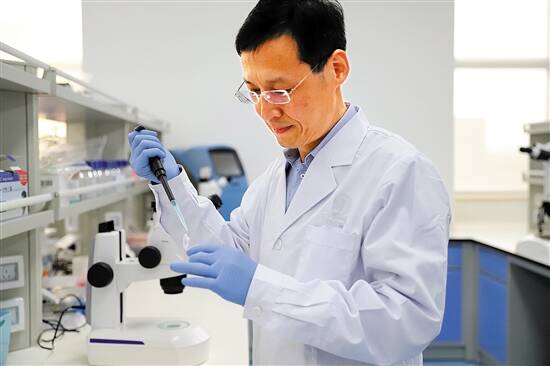
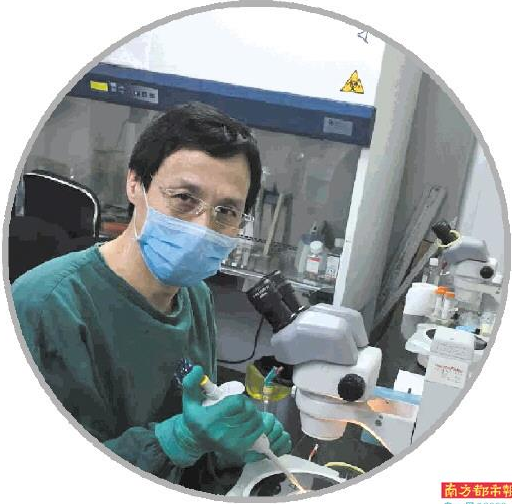
The Crisis: Breaking the Bottleneck in Preclinical Disease Models
In early 2020, the biomedical research sector faced a recurring, industry-wide bottleneck: the excessive time required to generate highly humanized animal models for emergent target validation.
Traditionally, engineering a humanized target model (such as the highly complex ACE2 receptor model) involves a tedious, multi-step sequence of molecular cloning, embryonic stem (ES) cell targeting, and multiple generations of animal breeding. Under conventional international protocols, this pipeline typically takes 8 months to over a year before a stable cohort is ready for validation trials.
Recognizing the urgent need for a faster solution, our core team mobilized on January 28. By January 31, the project was officially initiated with a singular, disruptive objective: bypass the breeding cycle entirely and deliver high-purity, fully functional models in a fraction of the time.
Reflecting on that intense technical sprint, Professor Guangming Wu, Chief Scientist at MingCeler and co-leader of the initiative, recalled:
“Our entire team was fully committed, often analyzing experimental data and troubleshooting at 2:00 or 3:00 AM, only to return to the bench early the next morning.”
35 Days to Breakthrough: The Power of Tetraploid Complementation
Under conventional international protocols, engineering a humanized mouse model involves a tedious sequence of vector construction, embryonic stem (ES) cell selection, and multiple rounds of animal breeding. Even under optimal conditions, this traditional pipeline takes 8 months to over a year.
Time was a luxury the world could not afford.
The 8-member core team—who would later form the scientific bedrock of MingCeler—decided to bypass the lengthy breeding cycles entirely. They deployed the team’s proprietary master card: Tetraploid Complementation technology.
This technique is exceptionally elegant yet technically demanding. Tetraploid embryos, due to their abnormal chromosome numbers, cannot develop into a fetus; instead, they develop exclusively into the placenta. By injecting gene-edited humanized ACE2 embryonic stem cells into these tetraploid blasts, the two components form a perfect complement. The resulting mouse pups are derived 100% directly from the modified stem cells, eliminating generations of breeding. They are born as fully humanized, high-purity models right from generation zero (G0).
Professor Wu explained the mechanics of this sophisticated platform:
“Our technical approach sidesteps traditional breeding. Through tetraploid complementation… the newborn pups develop entirely from the modified stem cells. As long as the target genes in the stem cells are successfully edited, the resulting mice inherit the humanized traits directly.”
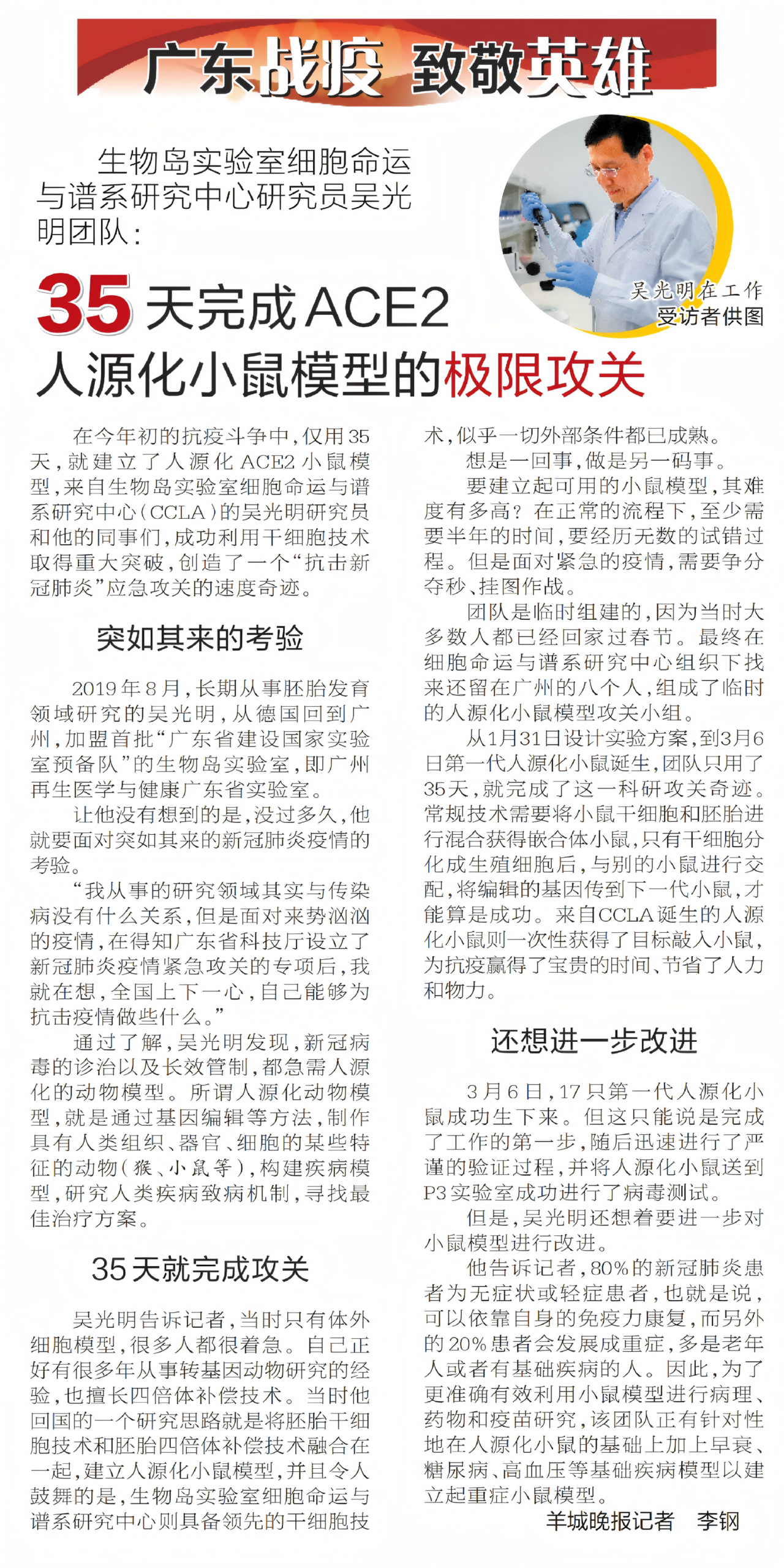
Professor Wu noted that while engineering humanized mice is achievable for qualified laboratories globally given ample time, “the ultimate challenge was compressing the entire timeline into such an unprecedented window.”
Despite severe logistical disruptions and a complete lockdown during the Spring Festival, the team pushed the boundaries of execution:
January 31: Finalized the strategy and initiated the project.
Within 3-4 Weeks: Completed molecular vector construction and precise ES cell targeting.
March 6: The first cohort of humanized ACE2 mice was successfully born.
35 days. The team accomplished what typically required 8 months, delivering high-quality, scalable humanized models to premier research institutions across the country for viral challenge trials. This feat was widely documented and featured on the front pages and in-depth tech segments of major mainstream press outlets.
Recalling the seamless synergy of the team, Professor Wu added:
“Unlike traditional settings where weekends and evenings are strictly personal time, during this project, not a single team member requested time off or questioned the grueling hours. We worked straight through the holidays out of pure dedication to solving the crisis.”
From Frontline Breakthrough to MingCeler: Scaled, Globally Superior Model Platforms
Once the immediate crisis subsided, the team systematically institutionalized this “breakthrough velocity” and sophisticated embryological expertise.
The 2020 mission did more than solve an immediate R&D crisis; it robustly validated the absolute superiority of our Tetraploid Complementation platform in rapidly producing complex, large-scale disease models. It was upon this bedrock of disruptive technology that MingCeler Biotech was born.
At the time of the initial breakthrough, the survival efficiency of the first-generation ACE2 models hovered around 20% to 30%. Professor Wu presciently noted back then:
“With sufficient time to thoroughly optimize the protocol, we can elevate the efficiency to 50% or 60%… Blending embryonic stem cell editing with tetraploid complementation holds profound long-term significance for rapidly generating other humanized models in future biomedical emergencies.”
Today, in July 2026, MingCeler has fully realized—and surpassed—that vision. Through years of rigorous standardization and technological iteration, we have elevated the survival rate and stability of tetraploid complementation to industry-leading, globally unmatched benchmarks. Our subsidiary, VeloGene Biotechnology, directly inherits this core ethos of speed (“Velo”), focusing on optimizing the construction efficiency of critical therapeutic targets for the global biopharma pipeline.
As Professor Wu confidently asserted regarding our positioning on the global stage:
“Our technical capabilities are completely on par with, and in many aspects superior to, the world’s most advanced biotechnology standards. We are proving that we can not only match global benchmarks but consistently exceed them.”
Conclusion: Agile Excellence, Precision Medicine
From 2020 to 2026, from a 35-day emergency response to a rapidly expanding, modernized global biotechnology enterprise, MingCeler’s scale has grown, but our core philosophy remains unchanged. We solve the industry’s toughest bottlenecks with peerless speed and precision.
The media coverage of 2020 remains a badge of honor in our history. Moving forward, MingCeler and VeloGene will continue to leverage our proprietary platforms to empower global drug discovery, compress preclinical timelines, and drive the future of human health.